Be yourself; Everyone else is already taken.
— Oscar Wilde.
This is the first post on my new blog. I’m just getting this new blog going, so stay tuned for more. Subscribe below to get notified when I post new updates.
Be yourself; Everyone else is already taken.
— Oscar Wilde.
This is the first post on my new blog. I’m just getting this new blog going, so stay tuned for more. Subscribe below to get notified when I post new updates.
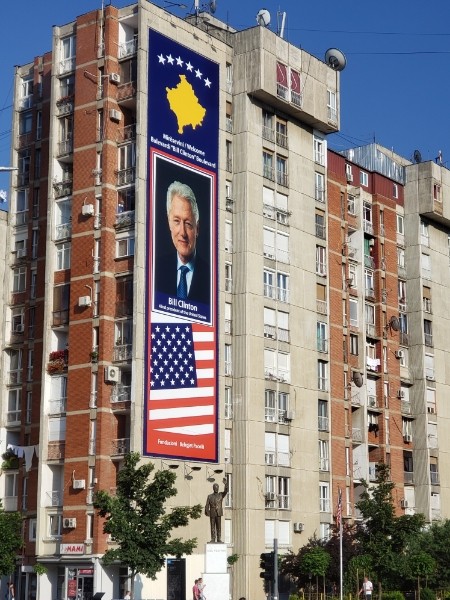
Where do I even begin with describing my experience with Kosovo? The obsession with Bill Clinton? Doing shots in a monastery? Bad covers of Christmas music playing at the rooftop bar?
My favorite moments in Kosovo have happened when staying in the Holy Archangels Monastery in Prizen. Staying in a hostel-style accommodation allowed our group to really bond with each other and gave us a true sense of community, especially since the wifi was barely working, forcing us to actually talk to one another instead of staring at our screens. Very Generation Z.
One of my favorite moments of the whole trip was at breakfast on Saturday morning when as a group we were asked to sing an American country song. Together we sang “Country Roads” which was followed by the Serbs at the table singing a Serbian song and then a Greek priest singing a Greek song. It was such a beautiful moment because people of all nationalities had come together at a table to enjoy a feast and each other’s cultures. It reminded me that despite all of our differences, we’re all just people trying to make it through life. At some point we can all get together and get along.
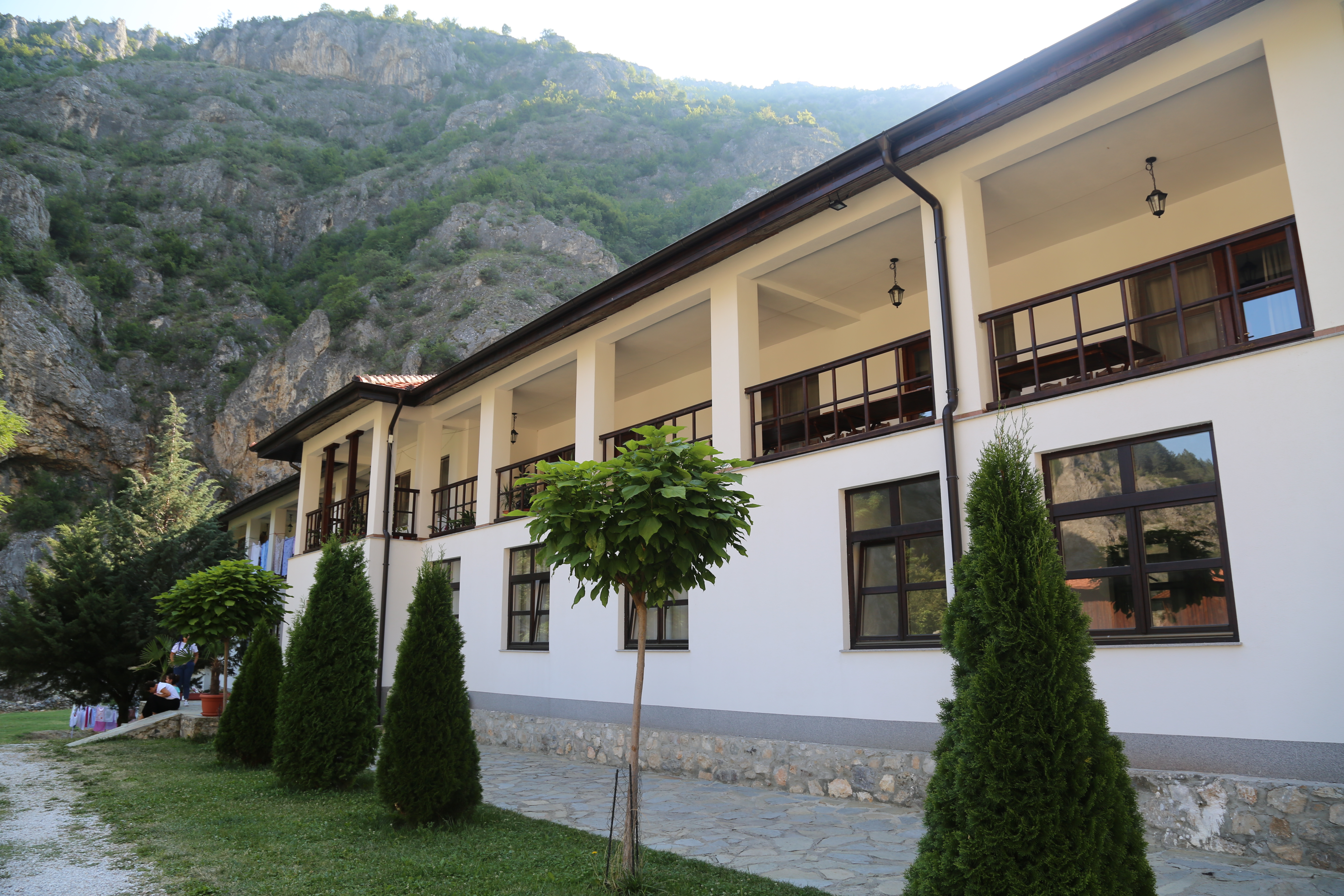
This moment gave me so much hope for the region. I couldn’t help but think, if these people who are a minority in their country, who have faced repeated violence, can accept strangers with such warm, open arms, then maybe differences in the region can be set aside.
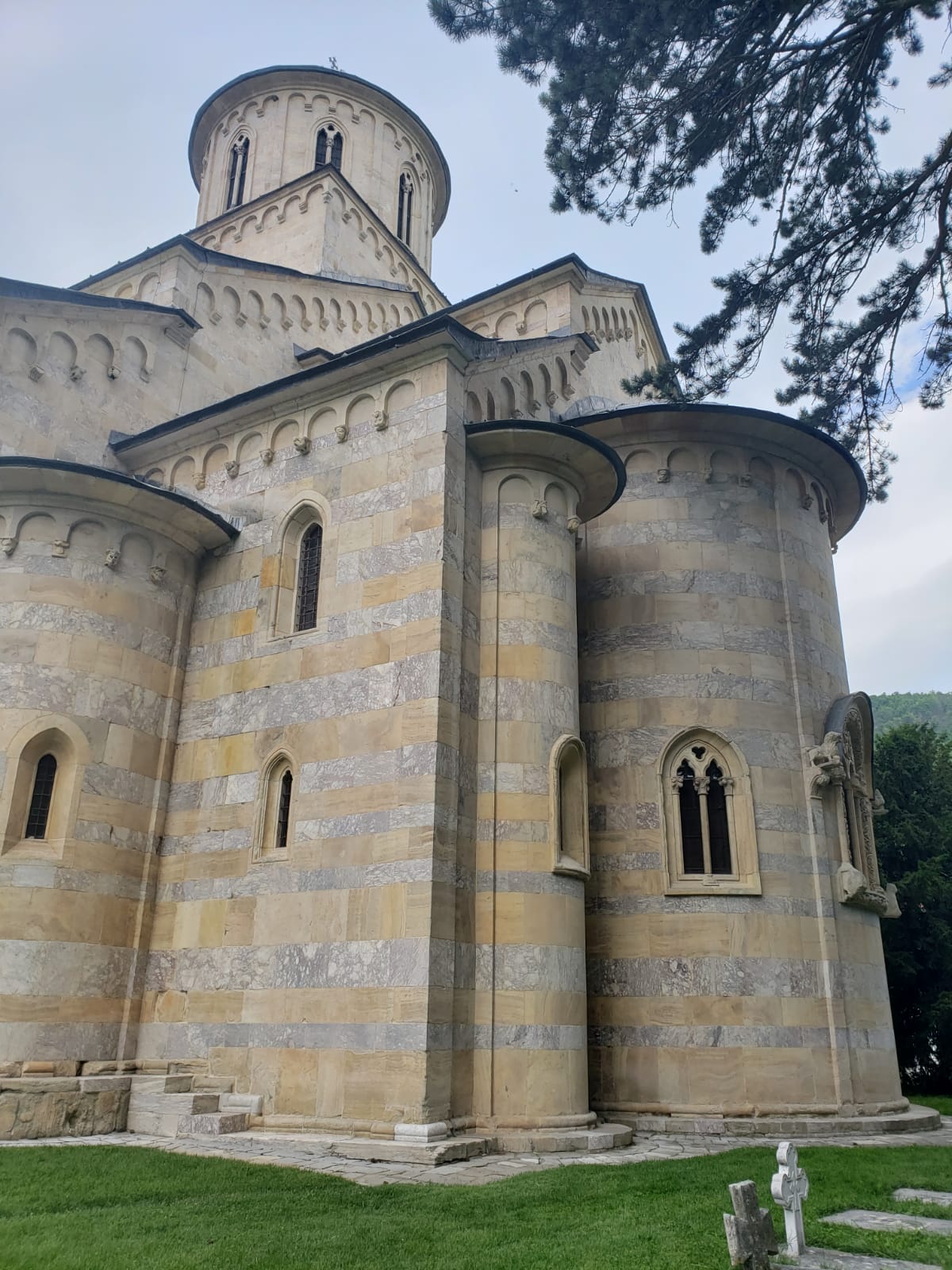
This thought was quickly dashed when we visited the second monastery on Sunday. As the priest was talking to our group about how Serbs need to accept what they’ve done in Srebrenica, two very large, scary-looking men in black, pro-Serbia t-shirts very loudly got up from the table and made it a point to walk out on him. Serbian-Orthodox people hold their religion very close to their hearts, so to walk out and turn your back on an Orthodox priest.. that was quite a statement. It brought me back down to earth and reminded me of how deep the divides between ethnic groups really are. I can’t help but return to my cynical nature and hold doubts about the future of this region.
Labels in the Balkans are kind of a funny thing. Take Kosovo, for example. The people who live there identify the territory that they’re on as Kosovo and will staunchly defend that fact. But when you ask a lot of people what they are, most of the time you’ll get one of two answers: Kosovo-Albanian and Kosovo-Serb. To them, it seems very important to identify yourself not only as a way to describe who you are, but more importantly, in order to distinguish yourself from others. I really think that this is a crucial distinction.
As an American, I’m used to people identifying themselves under this label of “American.” That label essentially comes before all else. There are people in the US who identify as African-American or Asian-American, but they do this in order to define who they are in terms of being proud of both identities together. Generally, they hold the two identities together in celebration as compliments to each other. It’s not like they make this distinction of identity to establish who the “real” Americans are. Asian-Americans believe that they are just as American as Mexican-Americans and vise versa.
In Kosovo and the Balkans in general, you get the feeling that there is this distinction because these groups don’t think the “other” is the “real” identity. They cannot imagine being grouped into the same category as other identities. You could very easily start a violent altercation if you mix up the identities with the wrong person. God forbid you ever call a Bosnian-Serb a Bosniak.
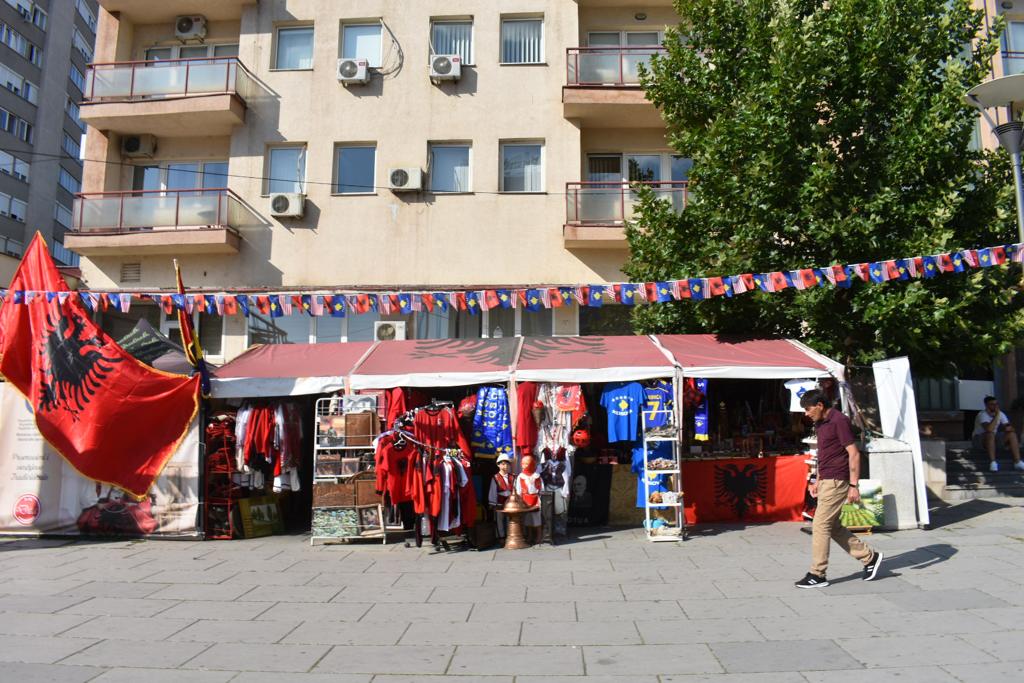
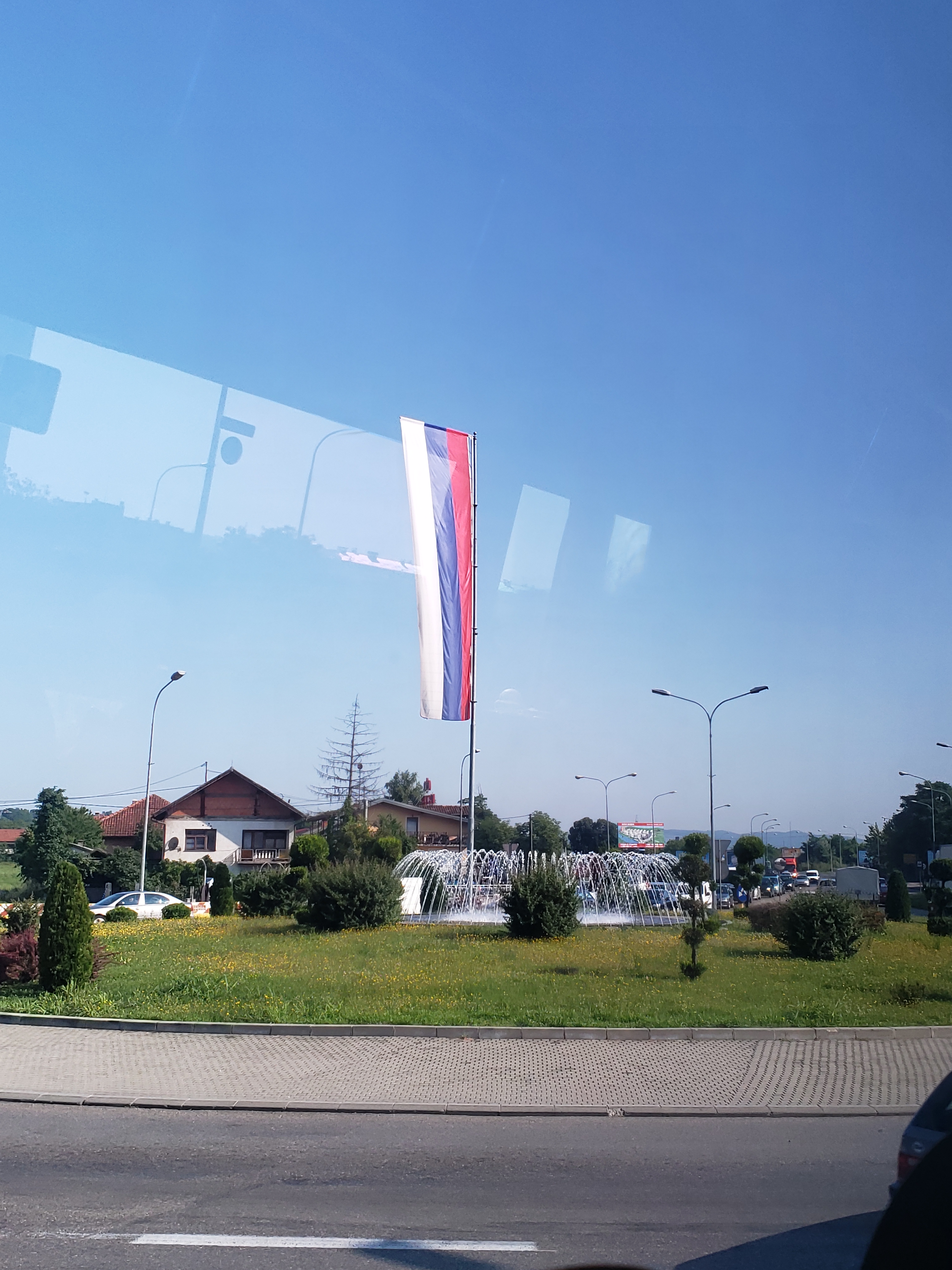
It’s probably the American in me, but I simply cannot understand how a country like Bosnia or Kosovo can move on when it’s population at large can’t even fly the same flag. I saw more Serbian flags than BiH flags when I was in the Republika Srpska in BiH. I saw more Albanian flags than Kosovo flags when I was in Kosovo. I would even go as far to say that there are more American flags than Kosovo flags flying in the country. As much as I wish they weren’t, labels are important. They describe what you are, who you are, what you believe in, what religion you practice. To a lot of people here, they’re simply everything to them.
People can be proud of their heritage and their ethnicity. I would never tell someone that they couldn’t be (unless, of course, it rose to something like white nationalism). But until the population in Balkan countries can start seeing Kosovars and Bosnians as one label that can fit the entire population, I don’t see how problems that affect everyone can be fully addressed. The battle of labels and what they represent is just too powerful.
After being in Sarajevo for almost two weeks, I wasn’t sure what to expect from Serbia. In all honesty, I was expecting a homogenous society where everyone thinks the same way, looks the same, and only Serbian food could be found. But wow was I wrong.
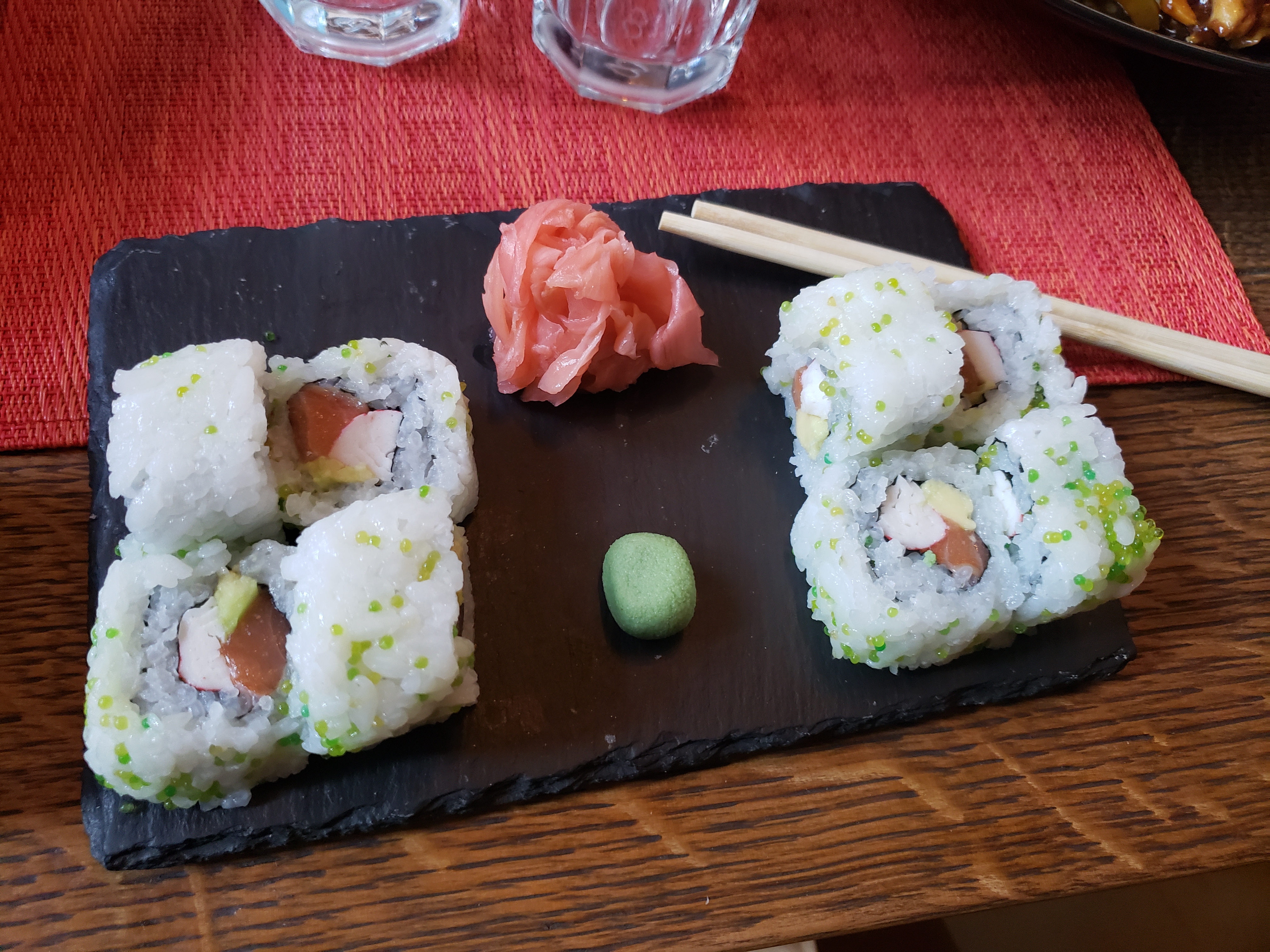
The first night in Belgrade I was enjoying sushi and stir fry. I walked by a chipotle-style Mexican restaurant called Burrito Madre. Some students in the group chat were talking about an Indian food place they had found on TripAdvisor that they wanted to try.
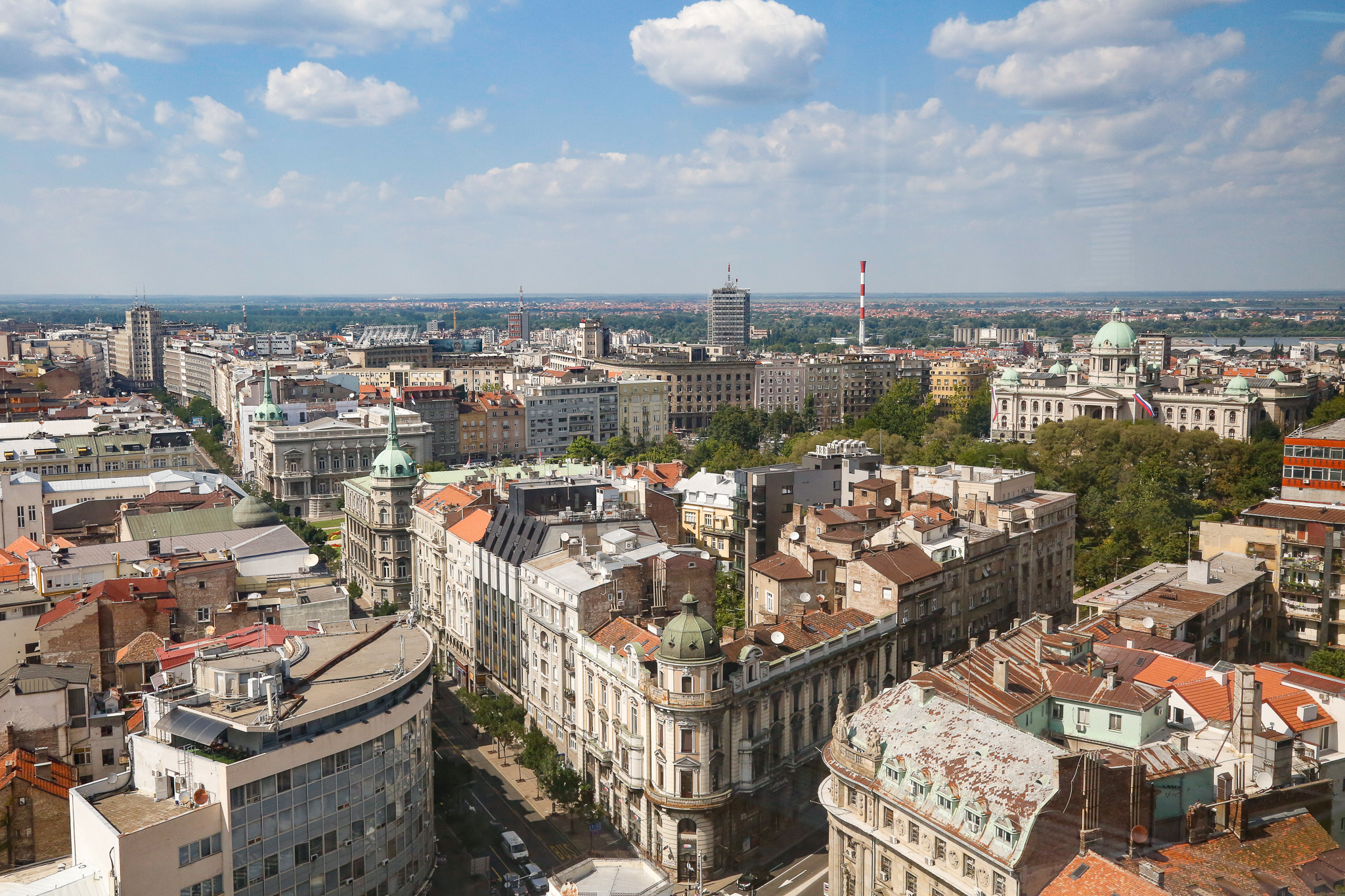
When it comes to walking around Serbia, I really felt like I could have been walking around any other European city. Cafes line the streets with colorful umbrellas, stylish looking women smoke cigarettes as they walk on the sidewalk, and store fronts sell the latest in fashion. If you were to tell me I was in London, I would almost believe you if the Cyrillic didn’t give it away.
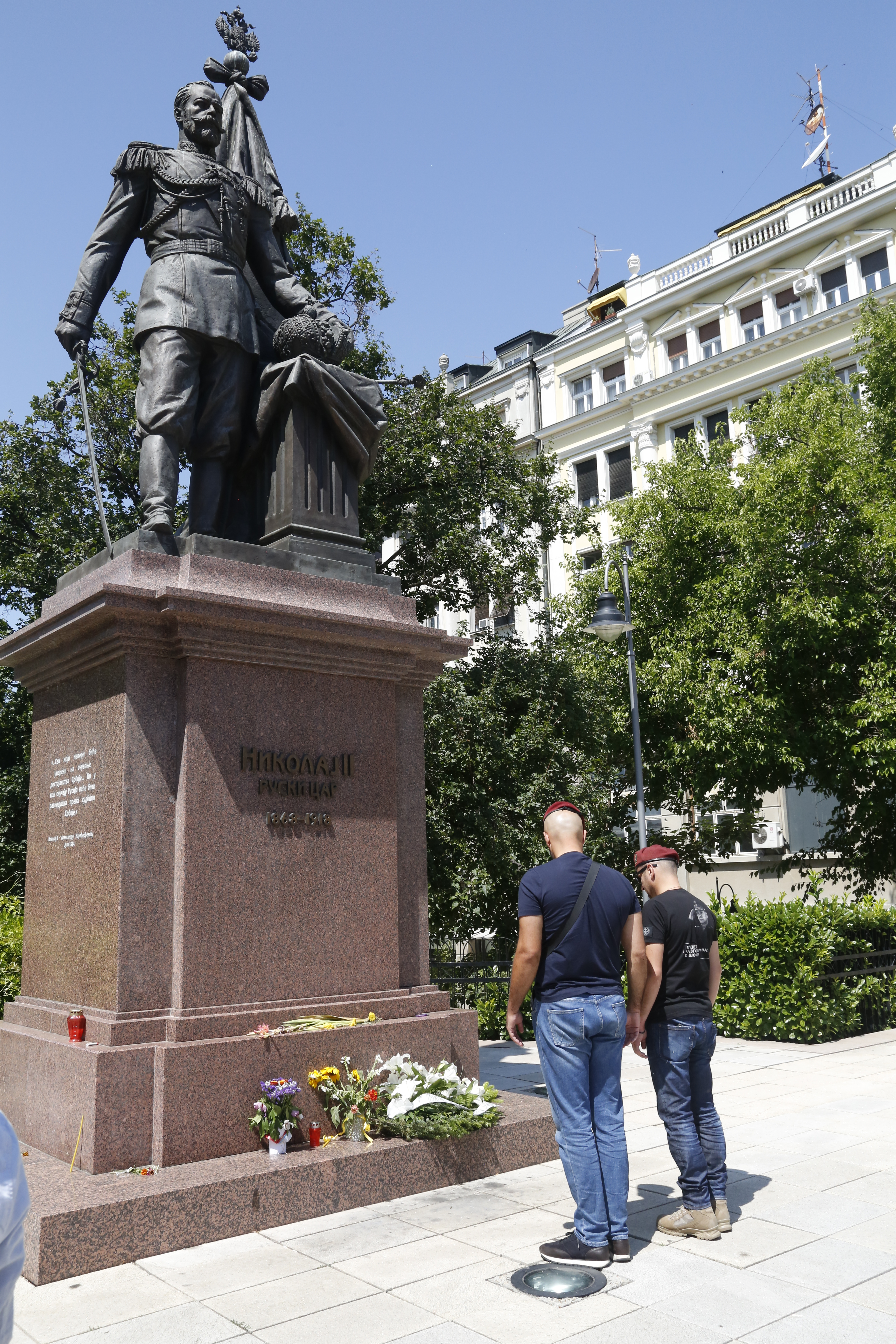
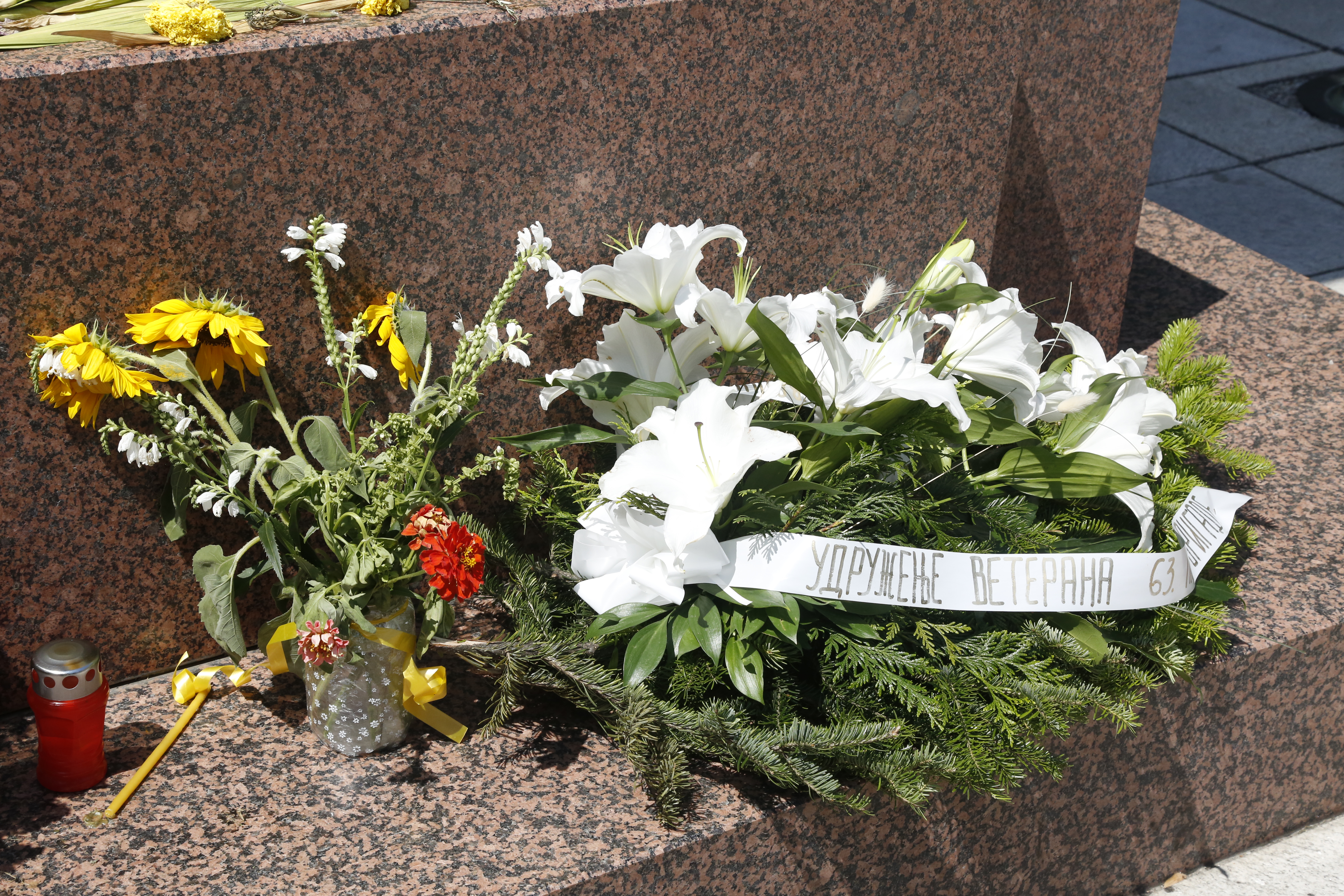
I was brought back down to earth when we were on our walking tour and stopped in front of the Czar Nikolai II’s statue and three loyalists in red military hats came to lay flowers and kiss the statue. We all fell silent as we watched them, not wanting to disturb them and potentially cause a scene. When they were done with their “ceremony” they actually told us to “enjoy your time in Serbia.” I was taken aback by this because I had forgotten until this moment that there is still a major battle of ideas going on in this region.
Nationalism is still an issue, corruption is still an issue, ethnic tensions could boil over any moment, and yet, when you walk around and enjoy the beauty of the city, you almost wouldn’t know it. There aren’t those visible markers of conflict like in Sarajevo where bullet and shrapnel holes cover buildings. This damage constantly reminds you of what happened and what tensions continue to remain in the region. But walking around here, you wouldn’t know anything was wrong as it just looks like any other European city.
In the first few days I did start to learn and realize that the same variance in architecture I once praised, was actually caused by destruction. Destroyed buildings gave room for new construction and that’s why there are so many different styles of architecture right next to each other in the street. So even though there aren’t these jarring signs of conflict like the bullet holes in Sarajevo, there still are visible signs of the city’s turbulent past if you just know where to look.
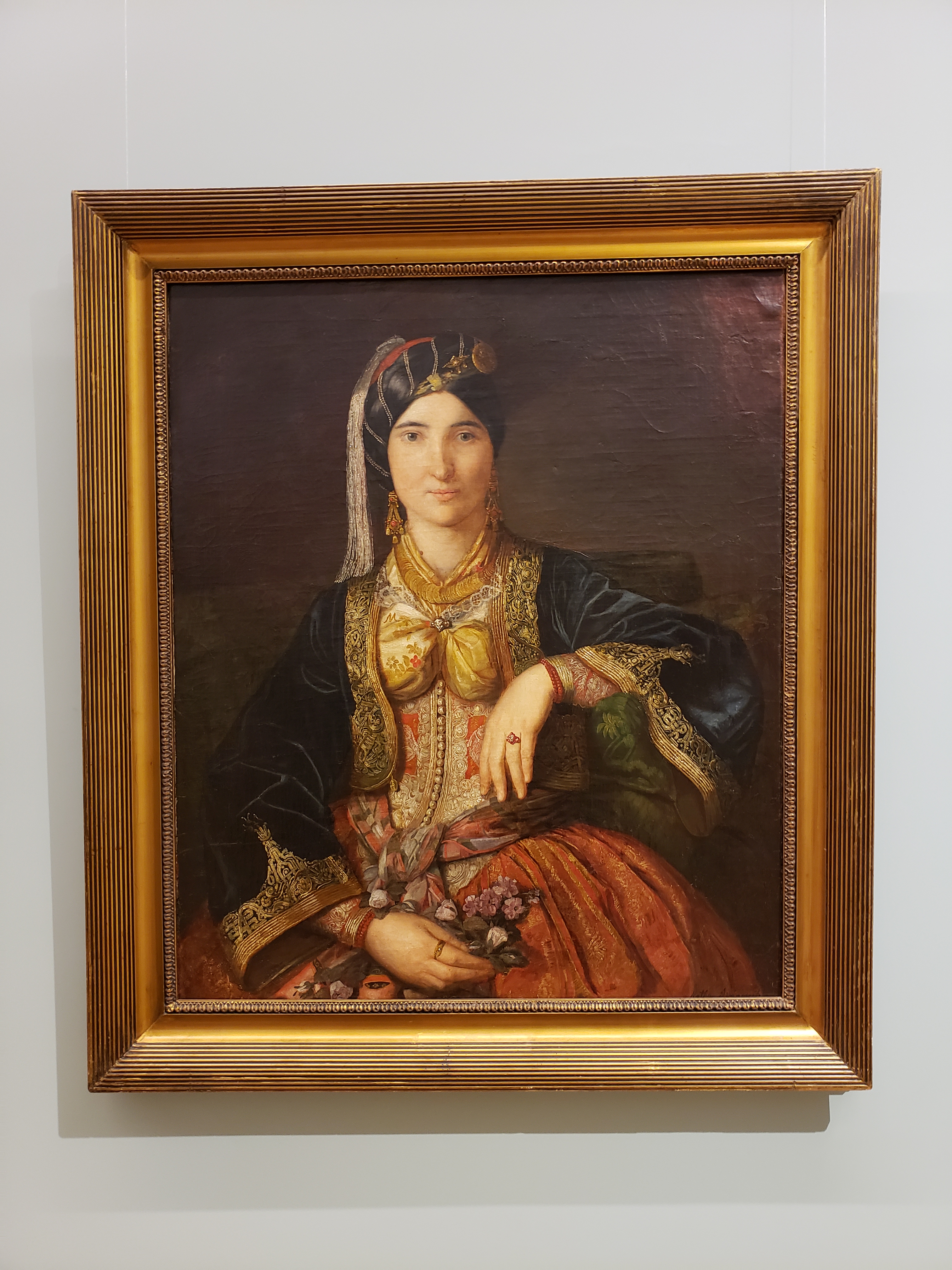
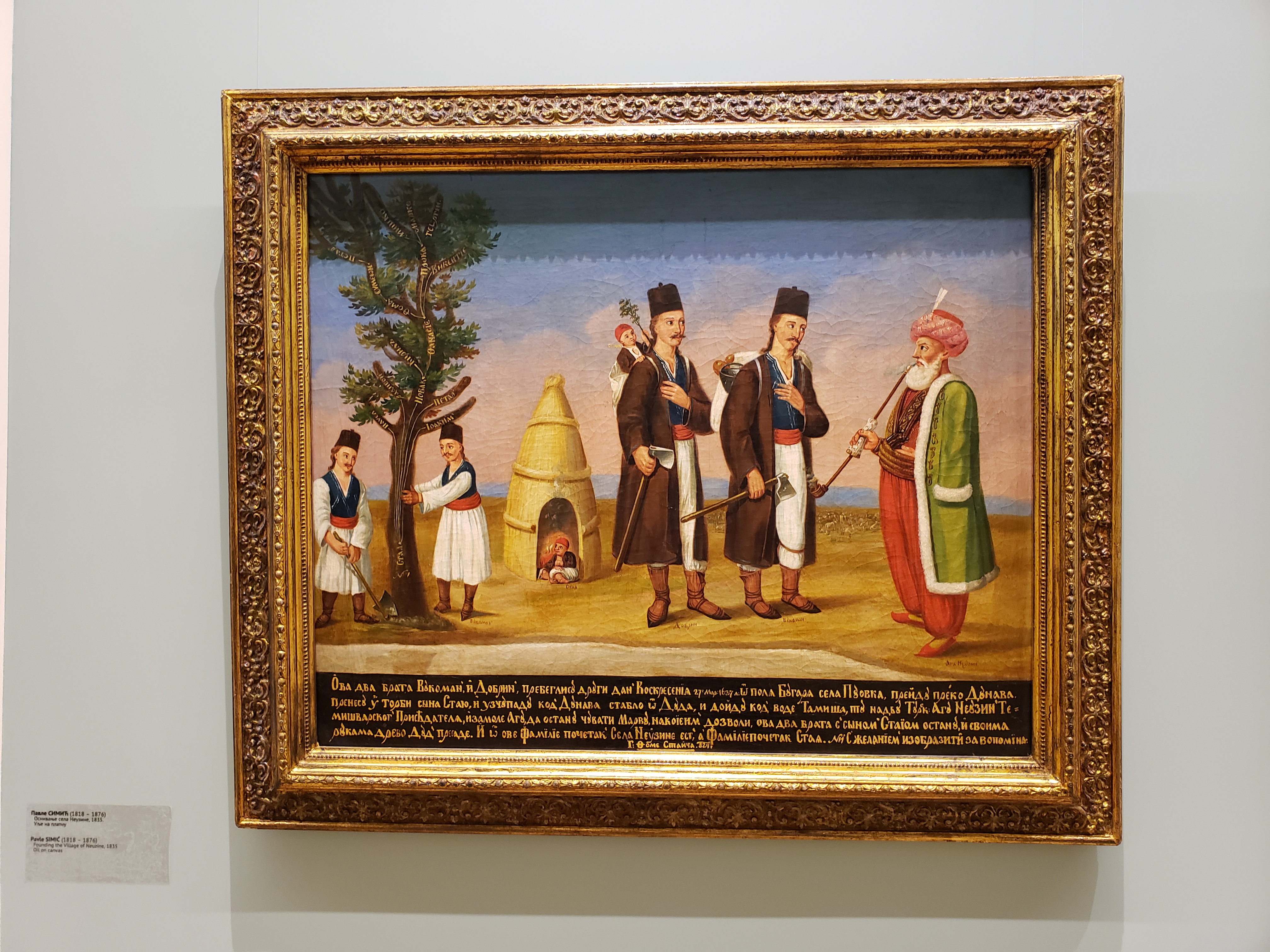
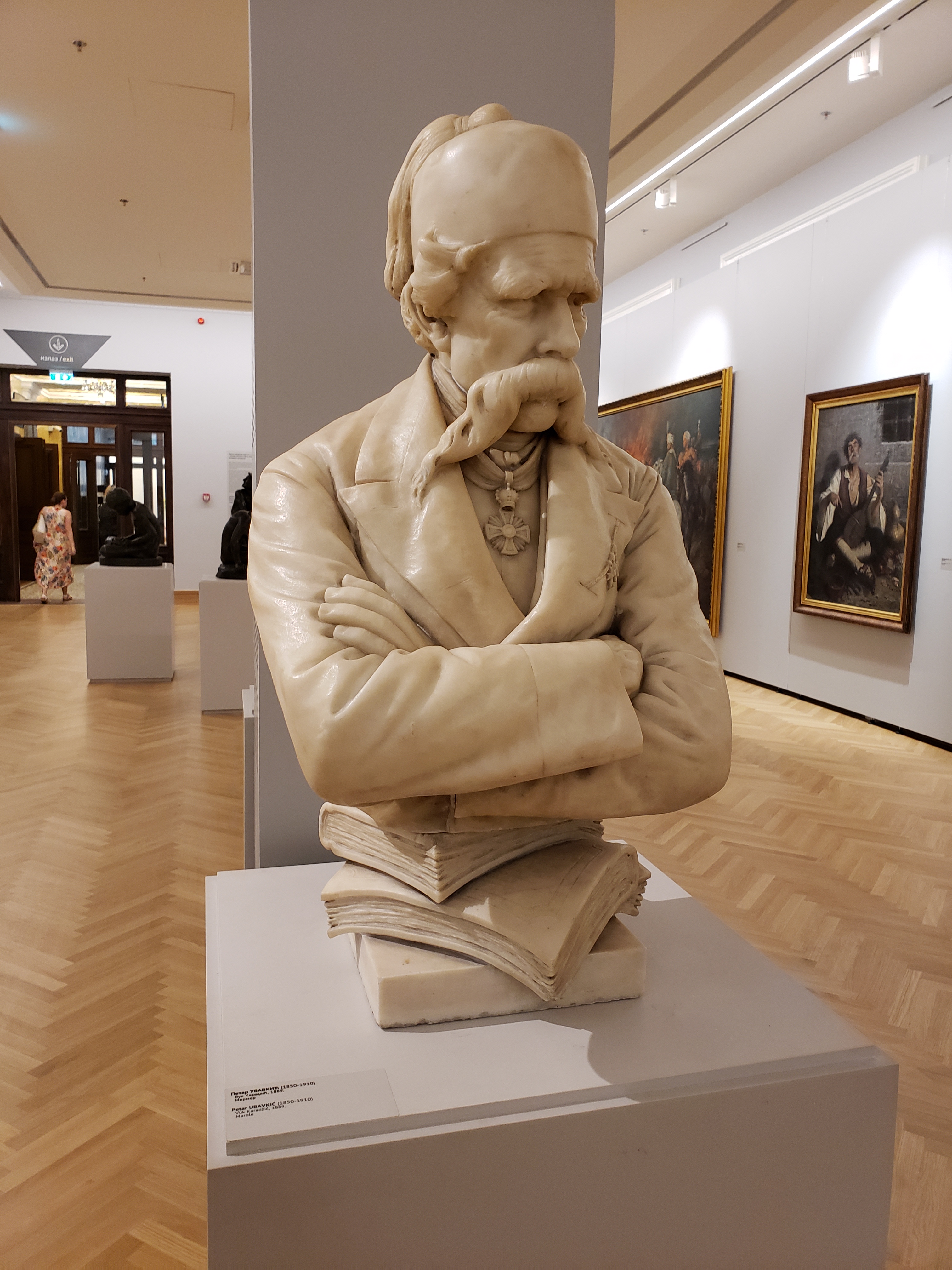
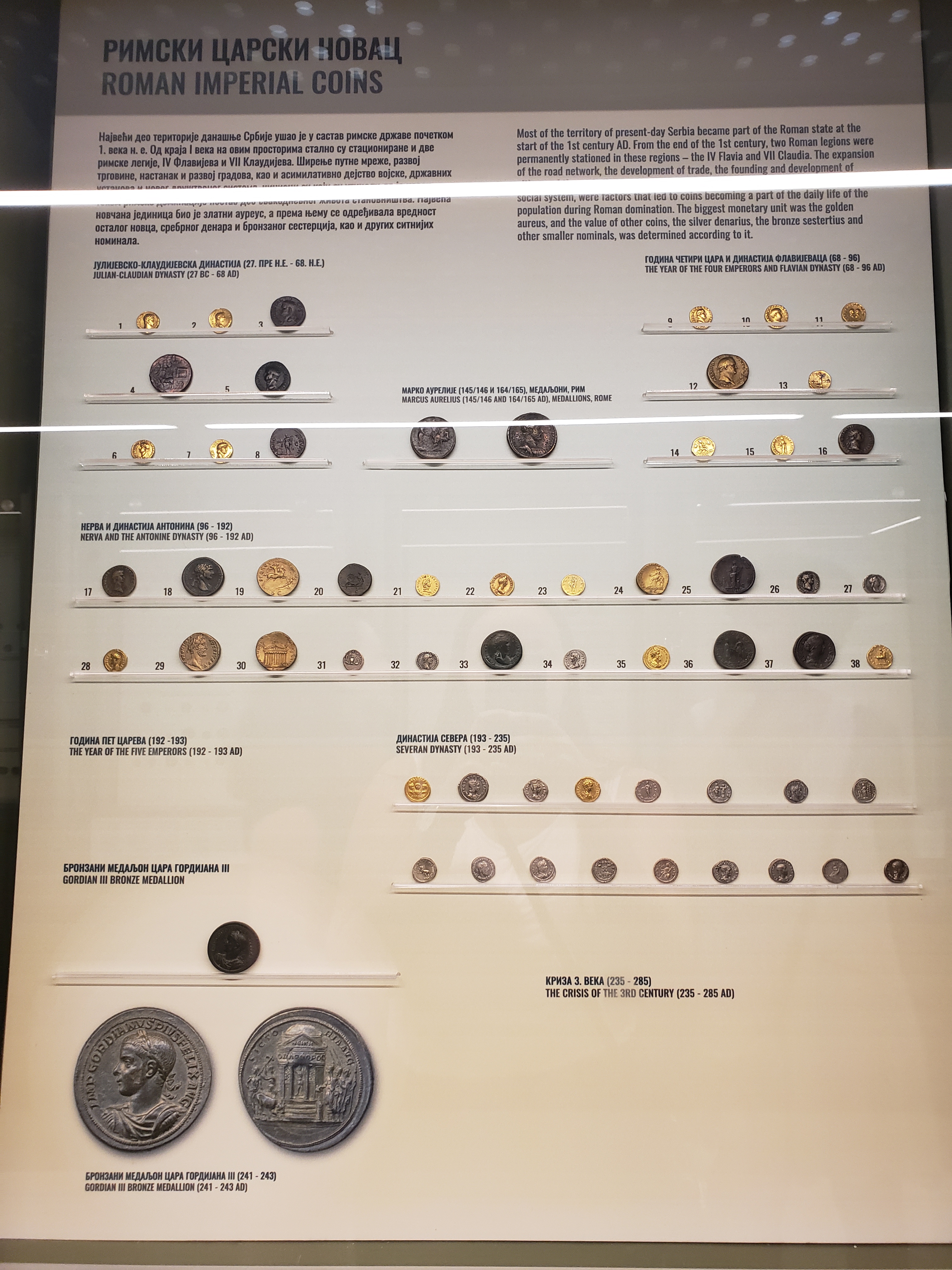
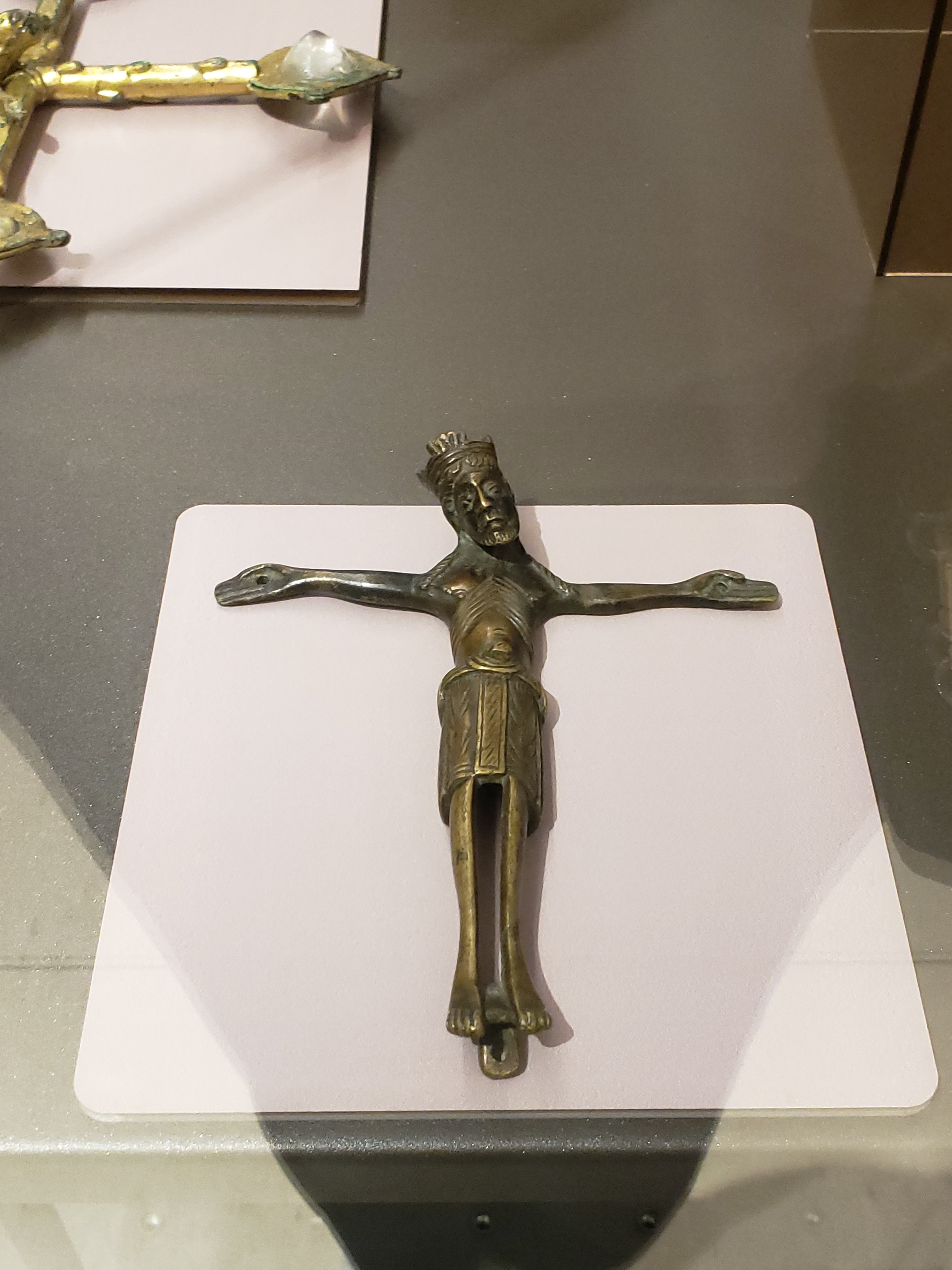
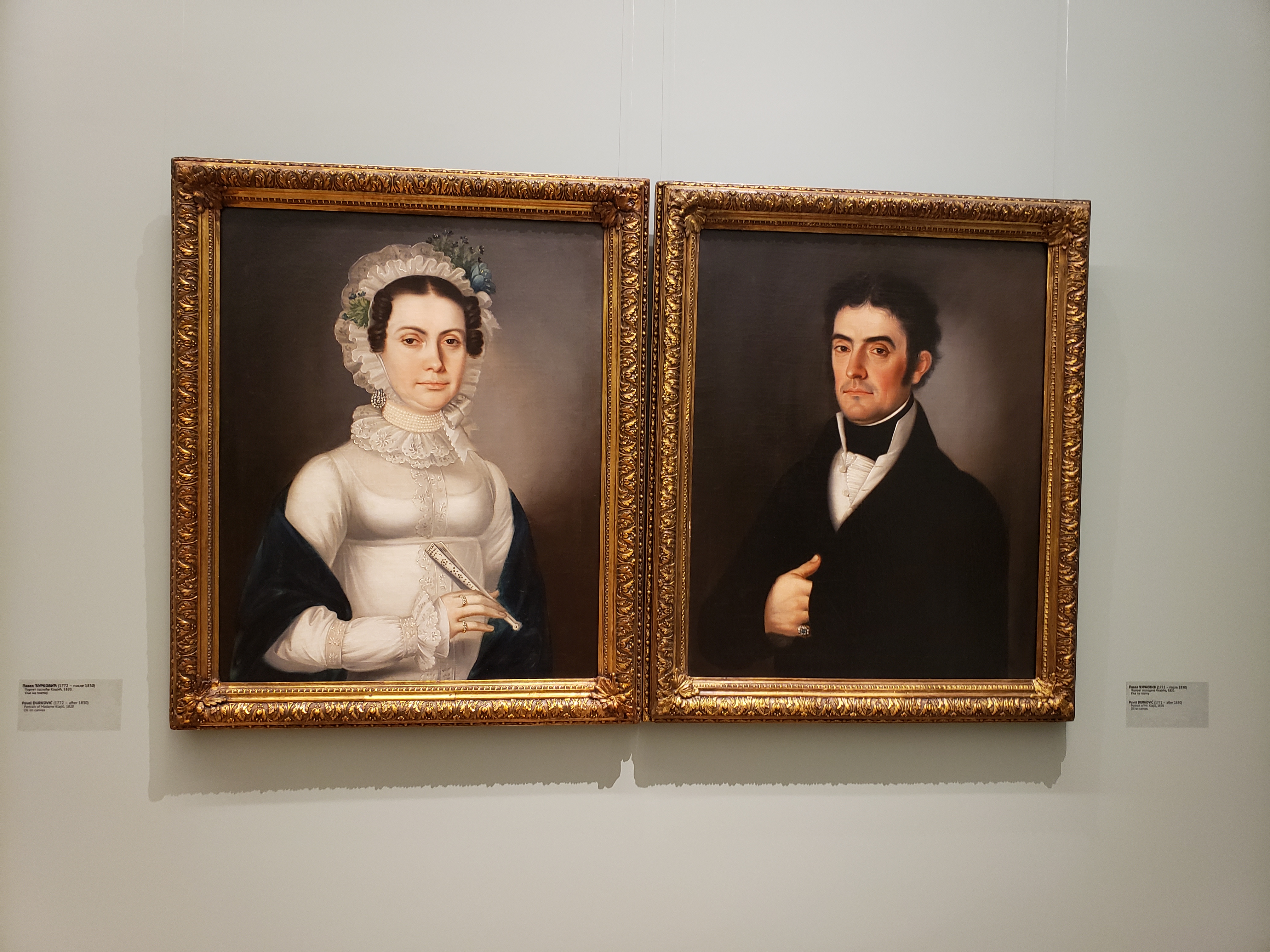
For a place that was embroiled in conflict over identity only 25 years ago, Serbia has a long history of different cultures. Although I learned this throughout the weeks while being here, I didn’t fully understand all of the different influences until I walked through The National Museum of Serbia. Walking through all of the different exhibits, I saw just how many different cultures and influences were prevalent through the years from Romans, Ottomans, to even Dutch and French culture. The museum was set up so you started on the first floor in the prehistoric era with spear heads and bones, and then you worked your way upstairs going through different eras of monarchies and government types. It was interesting to see how certain cultures and symbols followed throughout eras. For example, Roman symbols could be found from Roman times all the way to military metals in Ottoman times. Most interestingly, there was a whole section of Serbian art that was visibly inspired by French and Dutch art. When I saw the sign for this section of “Serbian art,” the last thing I expected was to find impressionist-style paintings and greek-style sculptures.
After walking through the museum, I was reminded again of this melting pot of cultures when a march walked by the restaurant we were eating at. Although I don’t understand exactly what the march was for, people were walking with dozens of different flags. I saw a man with a Mexican flag draped around his shoulders, a group of people waving Chinese flags, and many more flags that I didn’t know. Many times throughout this trip I couldn’t help but be pessimistic about the future of Serbia. Seeing the nationalists in the Republika Srpska, seeing the pro-Russian nationalists, it left a bad taste in my mouth. I can’t help but relate these groups back to the nationalist groups that were in the beginning of The Death of Yugoslavia. But after what I witnessed yesterday at the museum and after, I have this weird glimmer of hope that Serbia will recognize its past mix of cultures and its current one and not go down this path of growing nationalism that we are seeing all around the world.
Whether it’s from nature or nurture, I think it’s only human to want to find the “bad guy” in a situation. I believe it makes conflict easier to understand when there’s an easy enemy to identify and blame. At the point in the program where we visited the Bonja Luka, this “enemy” seemed was Republika Srpska and the Serbs.
During our visit to RS, I found it harder and harder to paint this side as these 100% “heartless, anti-muslim, monsters” in my mind. After Srebenicia, in all honesty, it was hard for me to think any other way. My emotions had consumed my opinions of a group of people, which this trip has taught me is an extremely dangerous way to think.
I walked through the WWII exhibit at the museum and saw the horror of the genocide of Serbian people. I saw the bodies of children and babies that were killed at a childrens-only concentration camp. I saw the knives and hammers used to slaughter hundreds of thousands of people because guns and gas were not available methods. I saw the signs of the Ustashe, that can still be seen today. This was the moment where I really started to understand the deep emotions on the side of the Serbs.
After talking with the politicians from the Republika Srpska, I did understand their side even more, even though I did not agree. I do “understand” why it’s “annoying” that whenever there are major projects like bridges and 4G networks that need to be accomplished, Bosnians stall the project because of the definition of genocide. Let me be clear. Srebenica was a genocide. Just because I “understand” that the Bosnian Serbs want to move past the war and move forward does not mean that I agree. I don’t. Not fully addressing the past can doom a country’s future and I think that this is Bosnian Serbs’ fatal flaw. I fully believe that the question of whether or not Srebrenica was a genocide (it was) can trigger other massive political problems that could easily spiral out of control.
I did what Professor Sullivan said and I fully leaned into the raw emotion of Srebrenica. I let myself feel that pain and cry over it. And yet after I leaned out and looked at the Bosnian Serbs and the Serbs in general in a different light. It’s this confusing balance of “leaning in” and “leaning out” that I’m trying to master throughout this trip because I truly believe I will get the most out of understanding different sides this way.
“No, it’s not possible,” the Serbian fighter said to us. “I don’t think that could ever happen,” the Srebrenica survivor responded. “Impossible,” remarked the man in Banja Luka who let us into the mosque. “Another war could never happen here.”
It seems as though there are few people we have met on our trip so far that believe there is no possible way another armed conflict could break out. The man in the mosque in Banja Luka showed us pieces of rubble from the old mosque that was destroyed in the war. He translated stories from the old men inside that had seen the fighting first hand. And yet, even after the war, he says he feels safe in Banja Luka and he never thought about leaving. Muslims were completely safe to live and practice there, he told us.
It constantly amazes me how trusting people are in Bosnia & Herzegovina. The man in the mosque had no idea who we were and since we were without Mladen, we had no translator. The man had no idea we were coming and yet he opened the gates of the mosque and was happy to show us around. He even opened up and told us about the war and showed us pieces of rubble from the old mosque that was destroyed. He completely trusted we were good people.
With the history of fighting and tension between groups in the region, it amazes me that people like the man in the mosque are so trusting of not only strangers, but others in his own country. Even those who may have at one point wanted to hurt him and his place of worship. He lit up and smiled when we asked what it was like to live in the Republika Srpska and even pointed out his favorite restaurant down the street.
Most of the people we have talked to seem so sure no conflict would ever break out again. They completely trust that that stage of Bosnia & Herzegovina is behind them and that people can put aside their differences and work things out, regardless of how confusing and corrupt the government was. There is still a lot of hope here, and yet I am struggling to push away the doubtful thoughts in my head. Growing nationalism and corruption in the regions are extremely worrying. The Federation and the Republika Srpska can’t even agree on building highways and bridges because of old grudges. As much as I would like to be optimistic about the future of BiH, it has become a creeping thought in the back of my mind that I can’t shake: perhaps this all could happen again, and sooner than people may think.
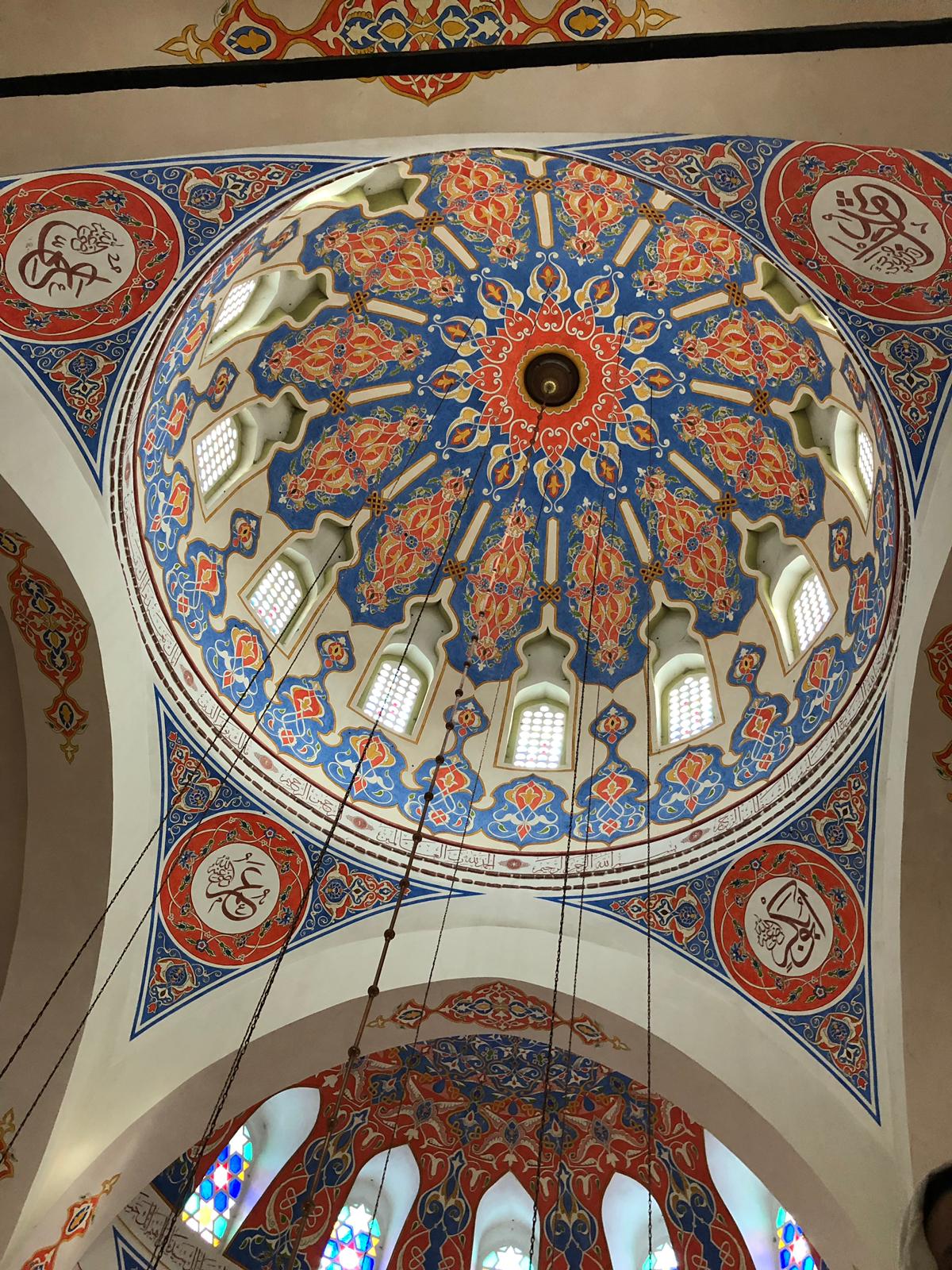
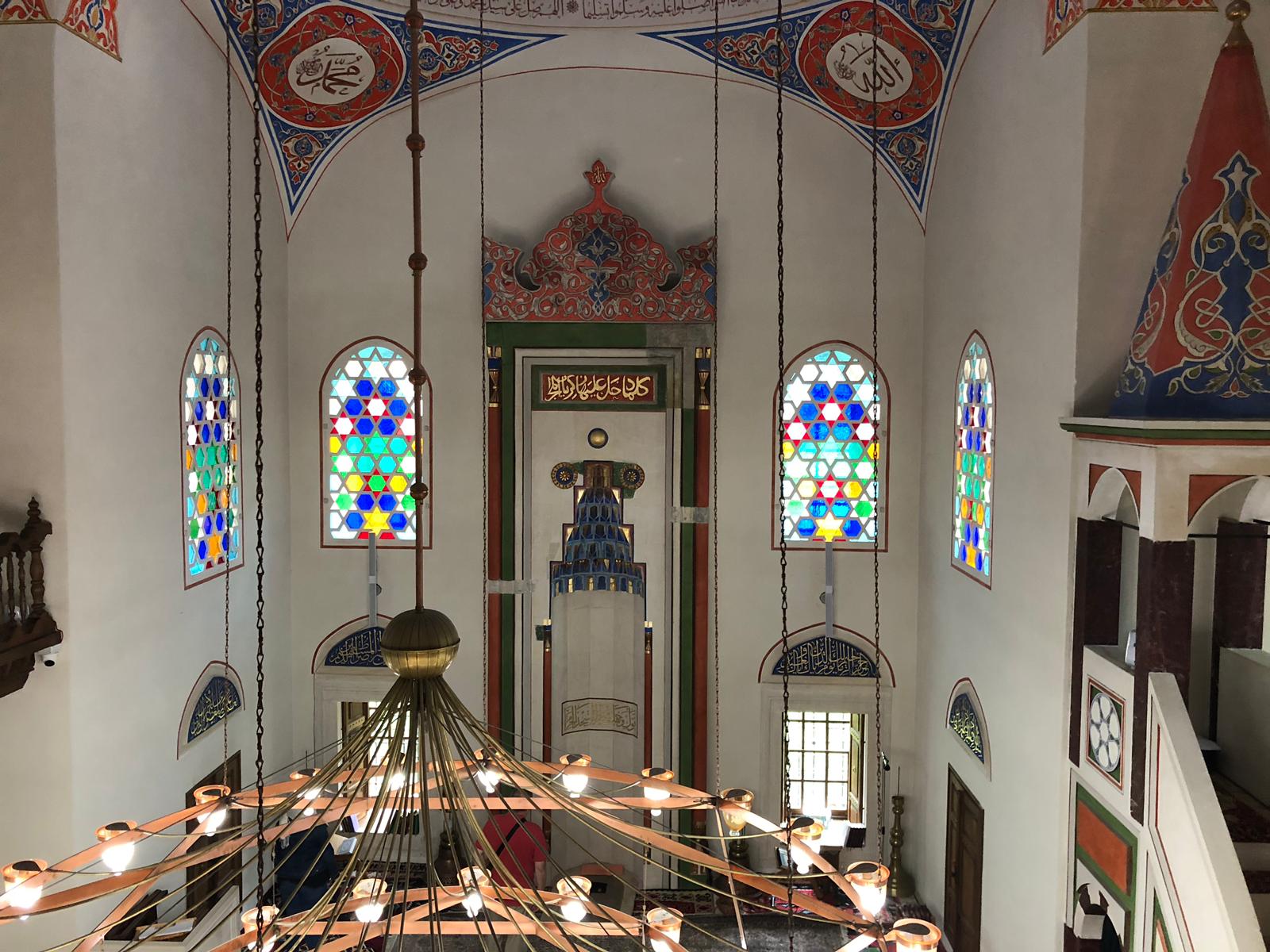
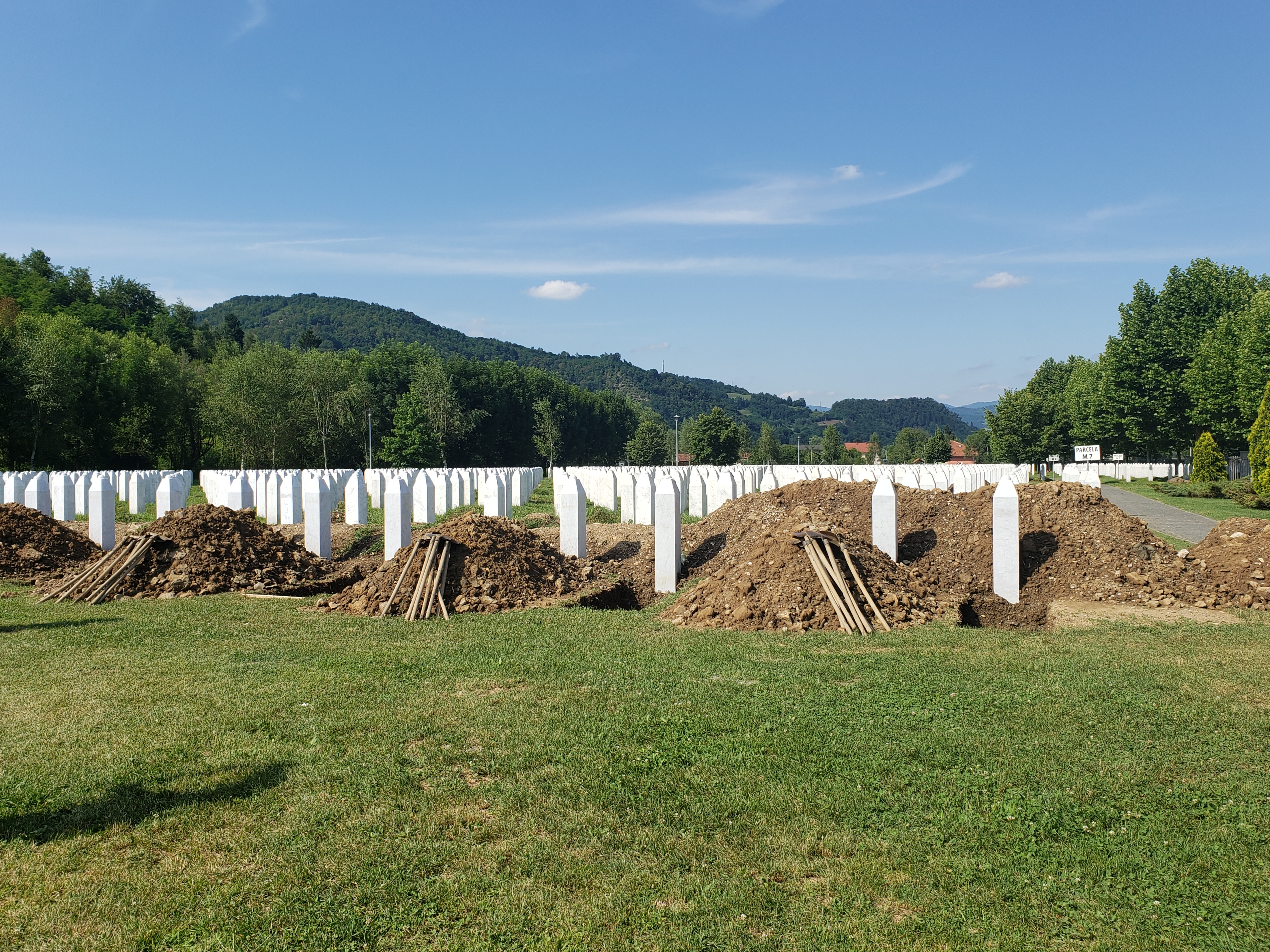
Srebrenica. There really are no words to describe the place. Even days later I am still trying to process what I witnessed and cannot think of any words that can properly do it the justice it deserves. While there, I don’t think I spoke a single worde. I couldn’t bring myself to speak. In fact, I don’t believe many of us in the group spoke at all that day.
My sadness turned into pure anger when we spoke to the Genocide survivor in the cemetary. While he was speaking he mentioned that he feels as though he must keep speaking out about what happened to him and his family. He pointed to where his twin brother and his father’s graves are. Only by what can be described as pure luck or divine intervention did he not also wind up buried next to them.
But why must he do this? Continue to open old wounds again and again and again? Fairness does not exist. Justice now feels as though it is a foreign concept. There is no proper justice here. If there were, we would force those who committed these heinous crimes to speak publicly about what they did over and over until every person on this earth knows what they’ve done. Let them be tortured repeatedly by telling these stories. Let the public look into the eyes of evil. Let them be paraded through the streets and looked at as what they are: pure evil.
But that won’t happen. People like him must continue to tell their story in the face of denial and resistance. He is told that he is not the survivor of genocide because women and children were not victims. He is told to let it go. To shut up and go away. And yet he can’t. He feels this obligation to keep going. “It gets easier,” he says. I don’t know if I believe him, but I want to. I really want to.
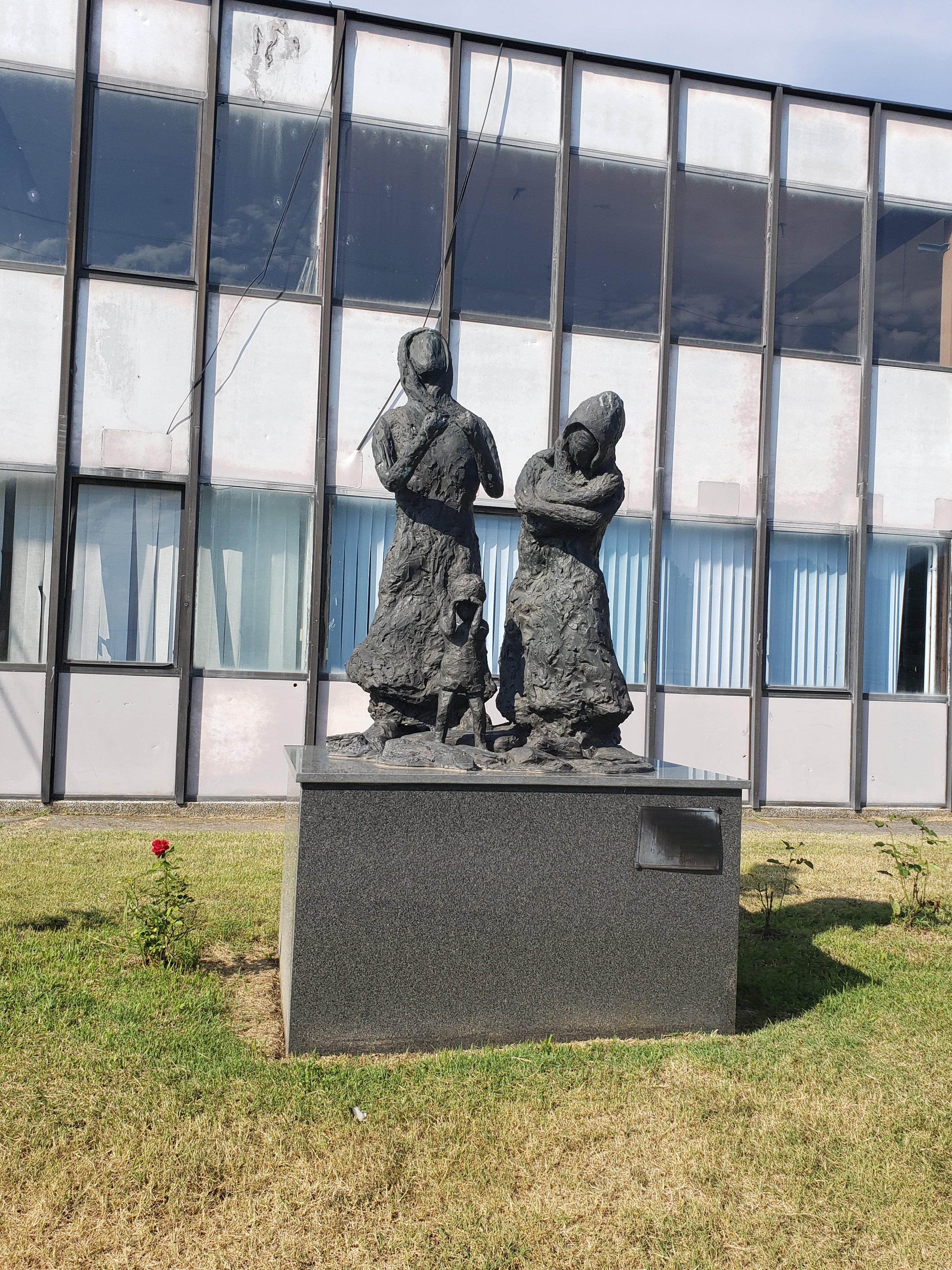
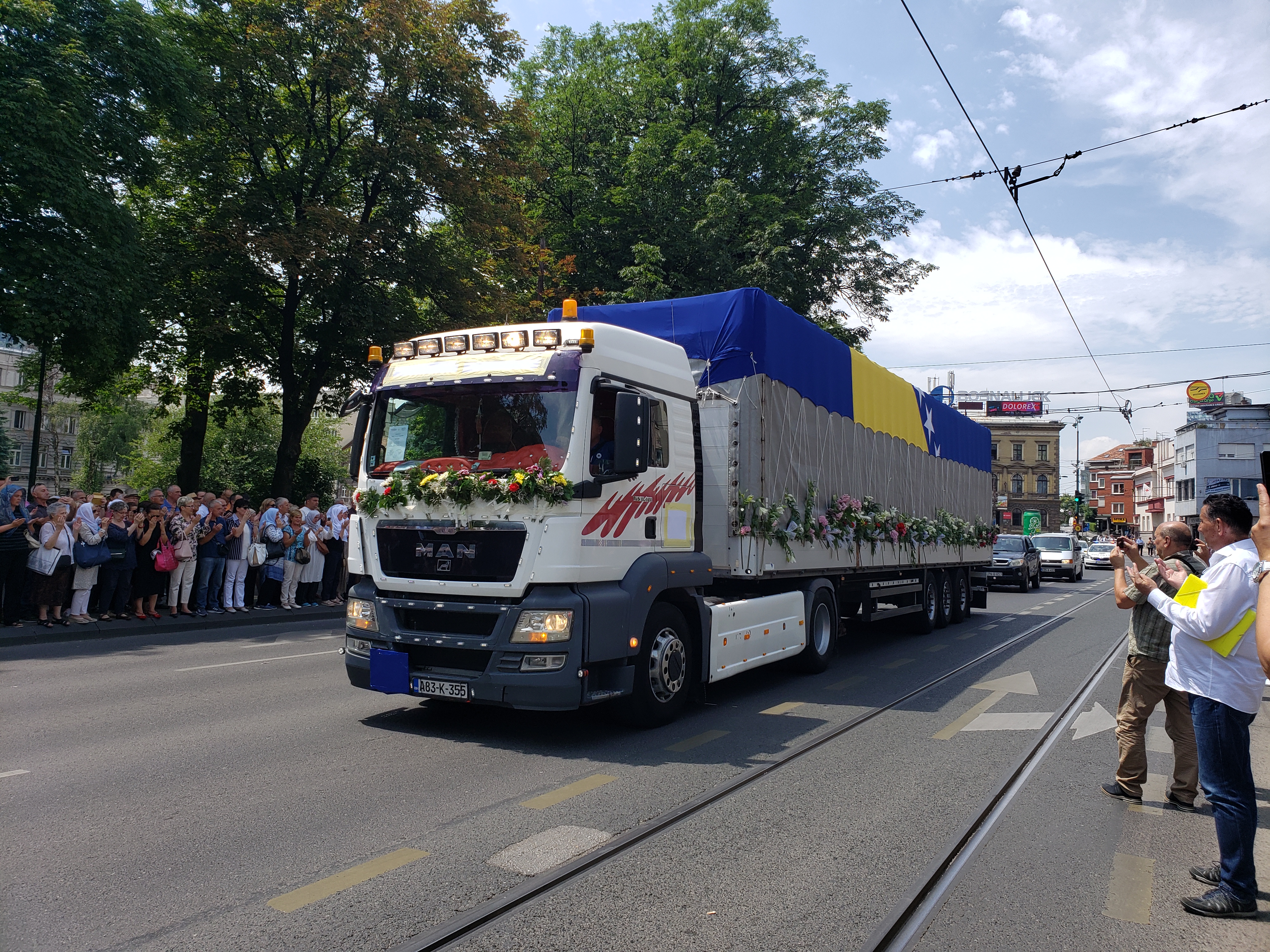
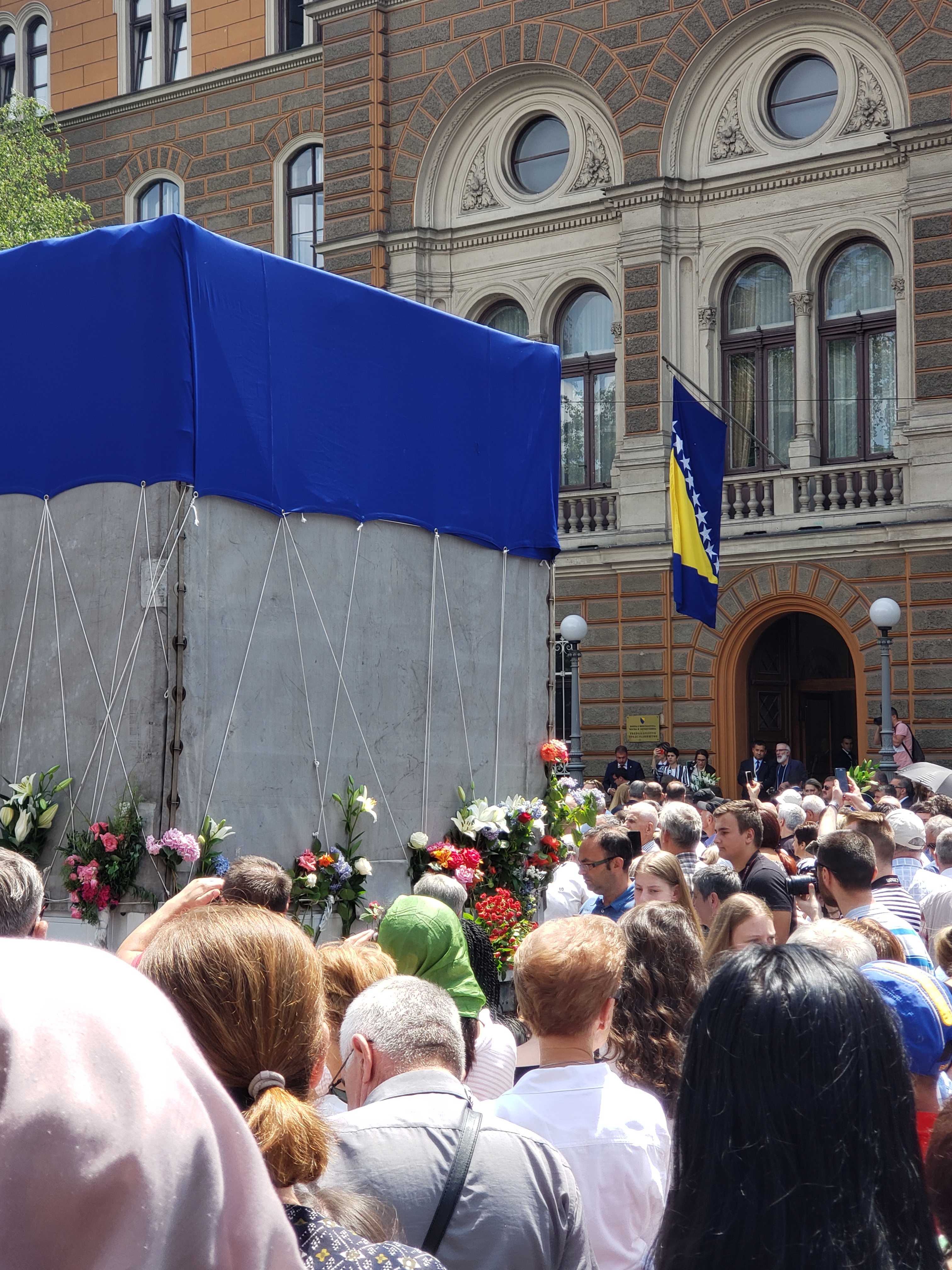
In the first few days of this trip with as little as I knew about this conflict, I was positive that a breakout of war like the one that transpired here in the 90s would never happen again. I walked the streets and saw people of all walks of life gathering and laughing at cafes, shopping, enjoying the sunshine. How can a country where people are sitting outside enjoying coffee turn into chaos? How can a place where synagogues, churches, and mosques sit next to one another turn into one of complete divisions?
Easily. Very easily. As the second speaker today mentioned, you don’t need two sides to start a conflict. You only need one to push the other side into a position where they have no other choice but to react. There’s a popular saying that goes, “It takes two to tango.” But in this current state of a “frozen conflict,” is that really true? If the Republika of Srpska or Serbian forces make good on their threats of “the end of Bosnia as we know it” over them joining NATO, Bosnia would have no choice but to protect themselves.
As we have learned through intelligence, Russia is helping to train military forces and stockpile weapons. They have every vested interest in opening up old wounds and preventing unity in the region to protect their old Soviet stomping grounds and protect themselves from an ever growing EU power. To me, this “time of peace” seems extremely fragile and as history has shown, one seemingly miniscule event could trigger a much larger and deadlier reaction. As more and more speakers come to share their viewpoints, I realize that this division has been more longstanding and may be even worse than I previously thought. My biggest worry would be Russia’s influence growing so large that it causes a reaction from the Western world fueling old tensions from the Cold War and new tensions from Russian meddling in elections.
As I sit here and absorb all that I have learned the last week and a half, I am coming to the realization that it really might not take “two to tango”. So far, it seems as though only one side feels like dancing and the other may have no choice but to join in.
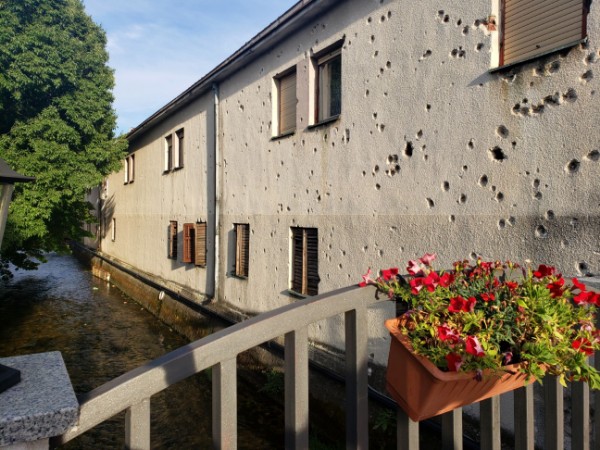
Juxtaposition. An eerie juxtaposition. That’s the word that repeatedly has popped into my head the last three days here in Sarajevo. Although I am enjoying the beauty of the natural landscape with it’s little houses dotted all over the massive, green hills, I can’t help but think of the soldiers who were on this hill. I enjoy the local architecture and yet I see buildings where only the shell and some walls remain, scattered with bullet holes. I can’t even enjoy a lunch or coffee outside without looking at other people in the cafe and wondering, “Were they here during the siege? What did they see? What and who did they lose?”
It’s this constant struggle between enjoying all the beauty that Sarajevo has to offer and yet feeling this heaviness connected to the city. It’s almost as if I feel guilty for enjoying the city when I know so many thousands cannot because they have either been killed, expelled, or simply have too many horrible memories to every fully enjoy their home ever again. Every time I feel some sort of happiness over ice cream or I share a laugh with a friend, it’s as if I feel it’s inappropriate to do so knowing what took place here.
These feelings have only intensified with the people we have met. After hearing the Army Commander speak about fighting in the trenches and all of the strategic points of Zuc Hill and other hills, I never looked up at the mountains the same way again. It was no longer this beautiful landscape dotted with red rooftops where I imagined happy families lived, it was a warzone. After hearing our tour guide tell the story of a sniper almost hitting him, the streets of Sarajevo were no longer this place of wonder with new experiences around every corner. It was a warzone. After hearing the survivor of Srebrenica, Bosnia as a whole was no longer just this beautiful country in my eyes. It was a war zone.
As I now sit back and take in everything I have heard and seen in the last three days, I find it hard to put my feelings into any kind of meaningful words at the moment. In high school I never learned about this genocide or the war, so I am left completely dumbfounded at the atrocity of it all. It almost feels as if I should say nothing because my words cannot do it justice, even though that’s the whole point of this blog.
So I will leave with the only real concrete thought I have other than pure horror. Bosnia is a juxtaposition. It’s a quilt woven from patches of pain, destruction, and beauty. These patches can never be separated, nor should they ever be. They will remain together, fighting with each other in the minds of its residents and visitors. Is Bosnia this beautiful countryside that people should flock to visit and enjoy? Or is it this somber place to be remembered and mourned? Can it truly be both? As of right now, I really don’t know.
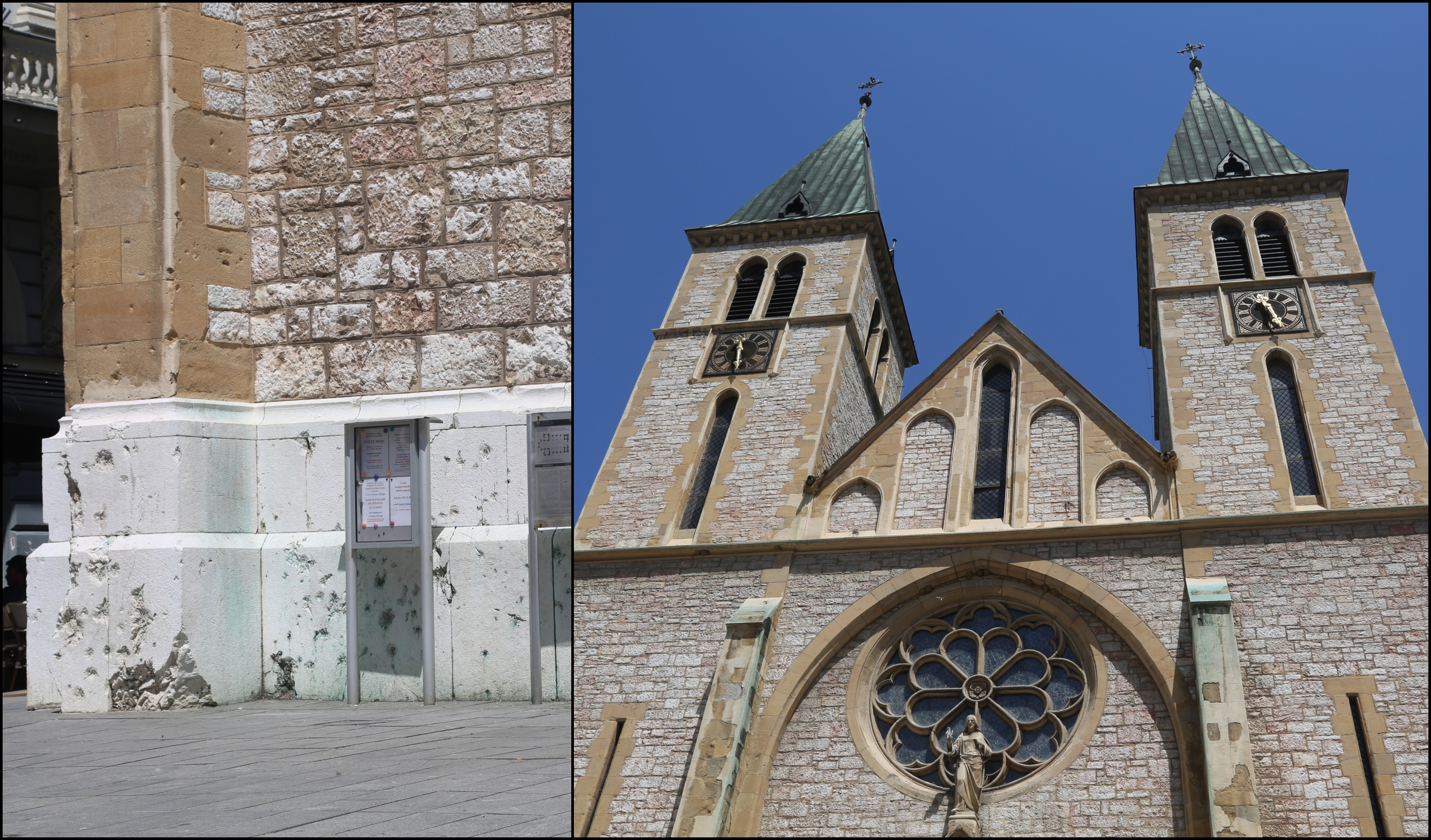
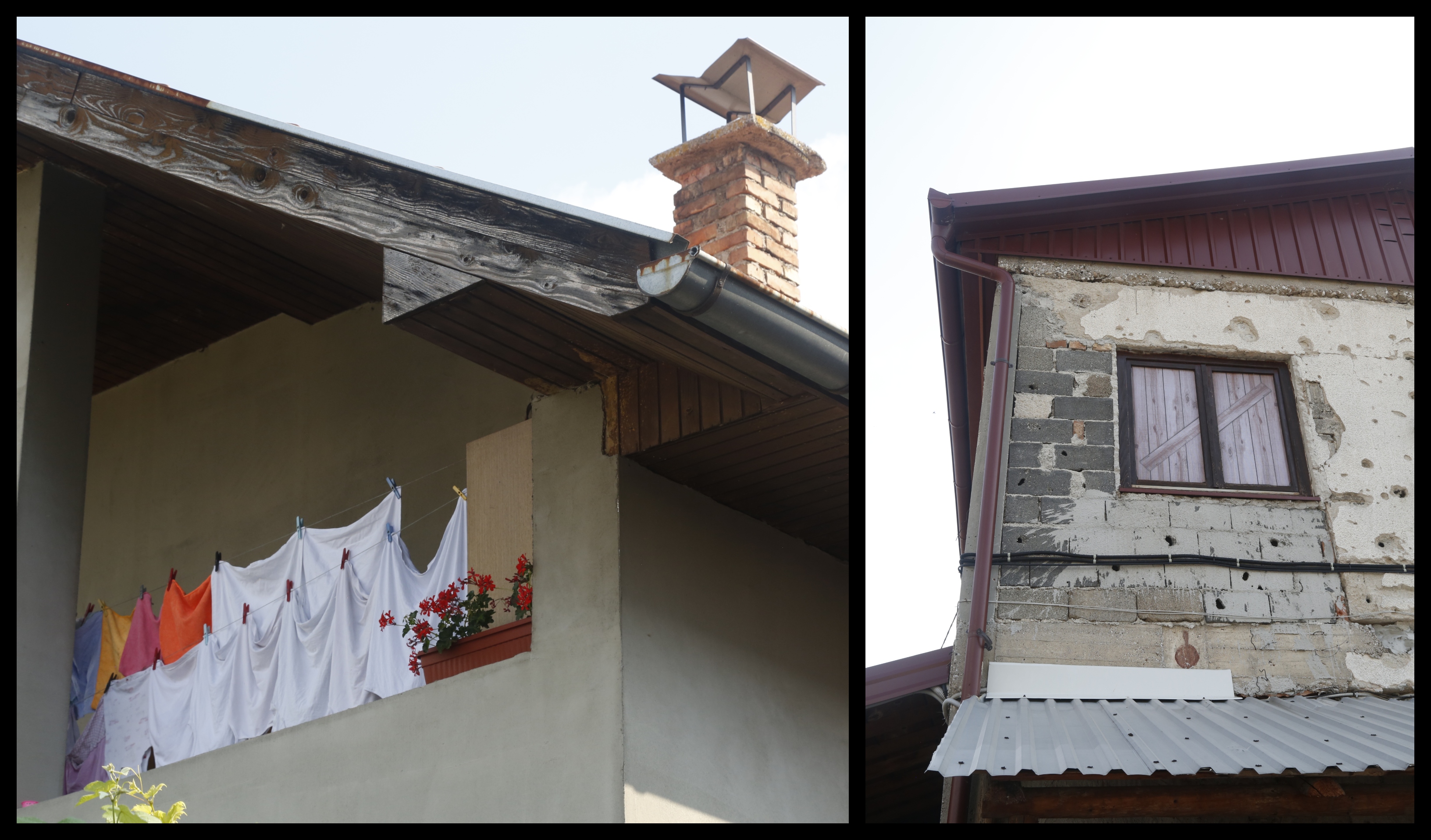
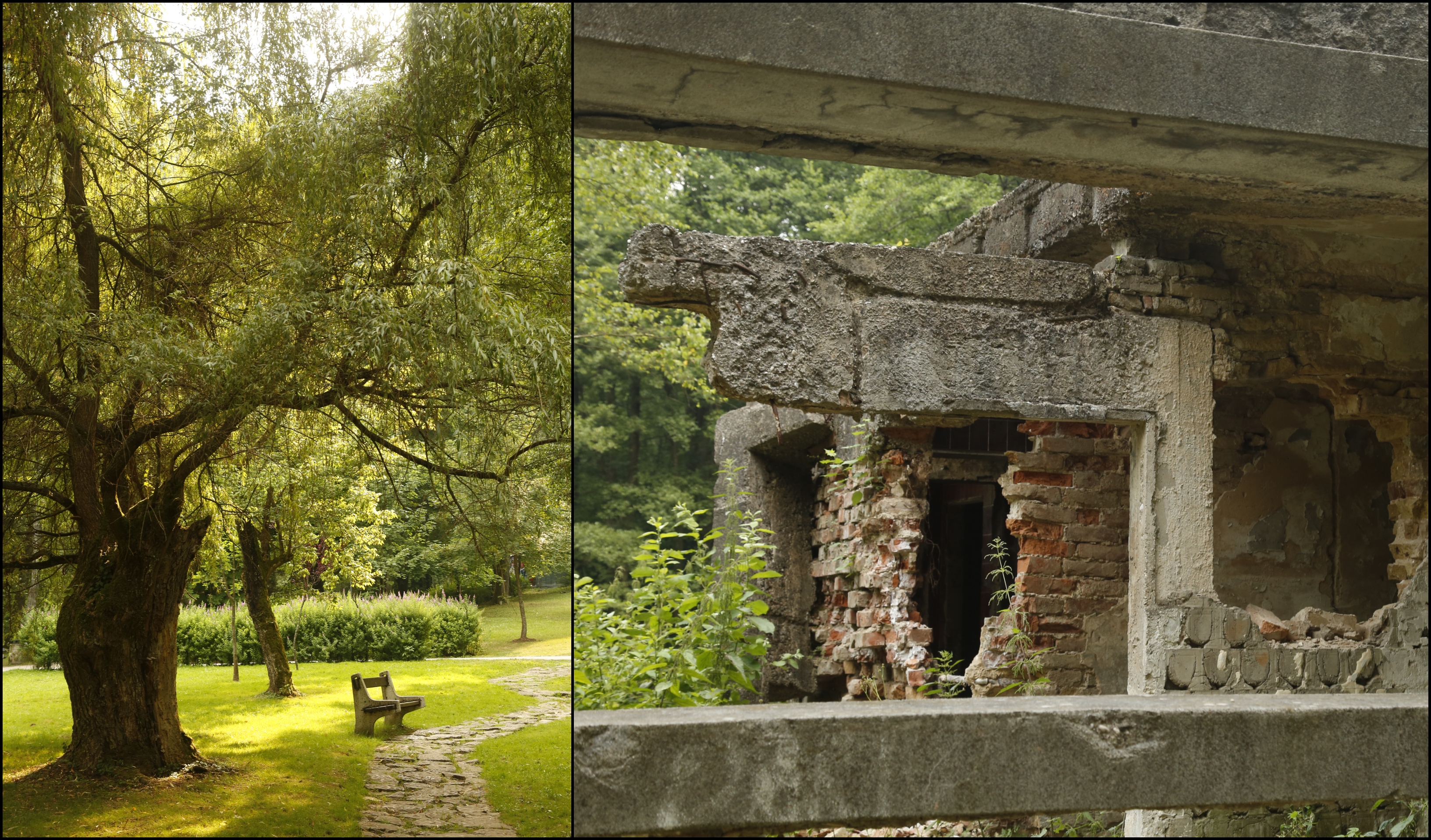
Bosnia: The Land of Beauty and Horror, Blood and Honey

 Kellie on the Run