After being in Sarajevo for almost two weeks, I wasn’t sure what to expect from Serbia. In all honesty, I was expecting a homogenous society where everyone thinks the same way, looks the same, and only Serbian food could be found. But wow was I wrong.
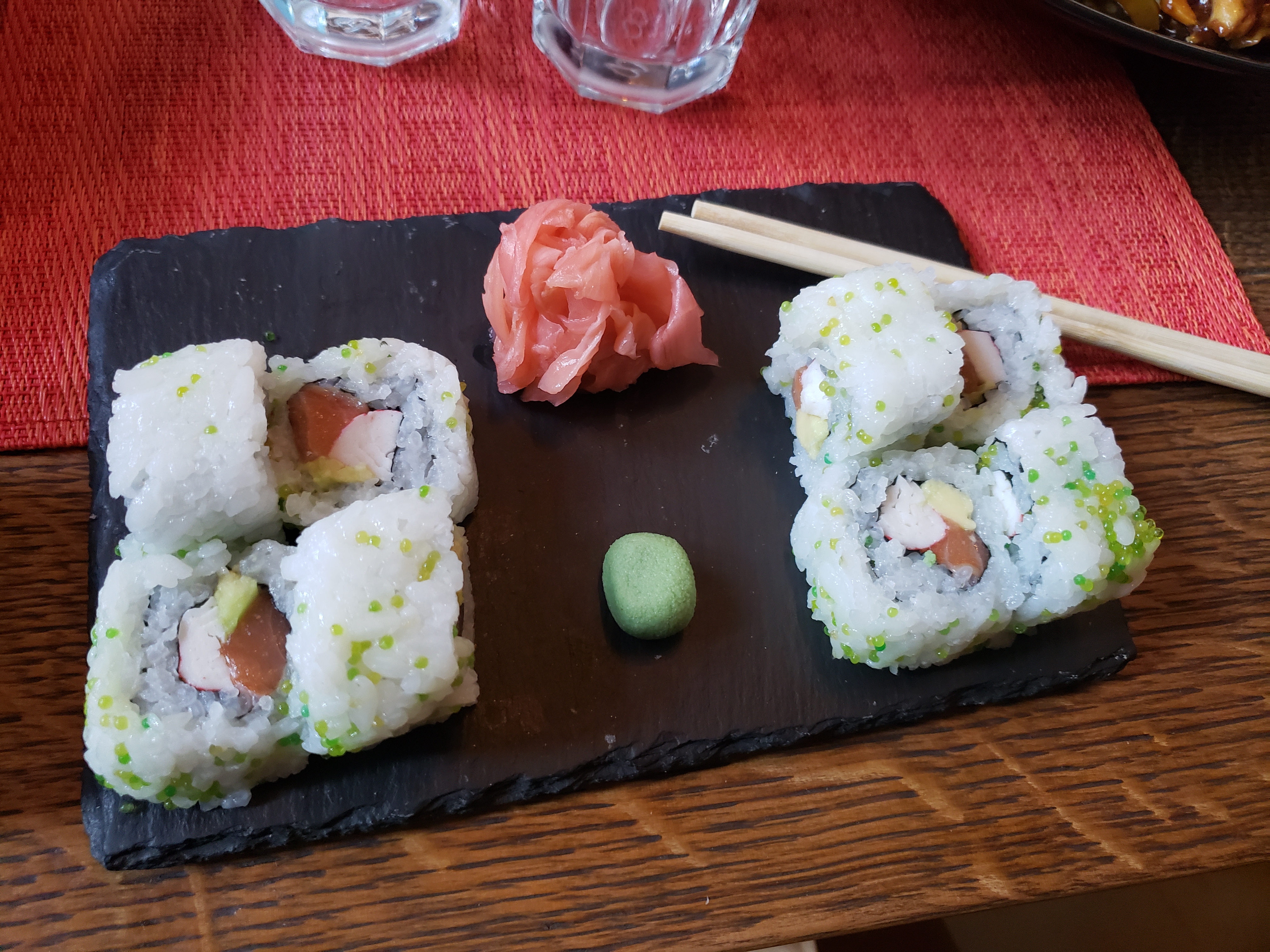
The first night in Belgrade I was enjoying sushi and stir fry. I walked by a chipotle-style Mexican restaurant called Burrito Madre. Some students in the group chat were talking about an Indian food place they had found on TripAdvisor that they wanted to try.
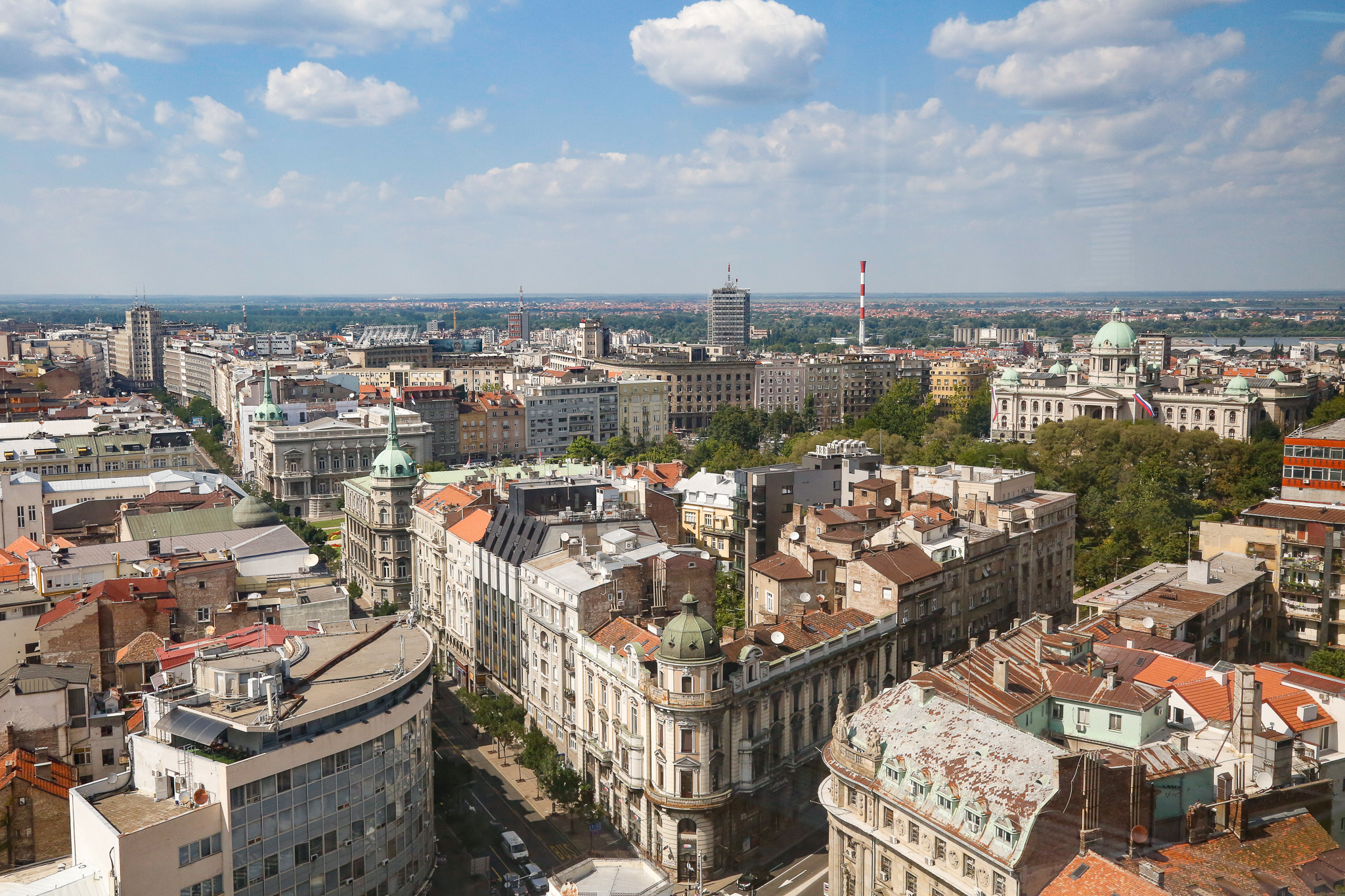
When it comes to walking around Serbia, I really felt like I could have been walking around any other European city. Cafes line the streets with colorful umbrellas, stylish looking women smoke cigarettes as they walk on the sidewalk, and store fronts sell the latest in fashion. If you were to tell me I was in London, I would almost believe you if the Cyrillic didn’t give it away.
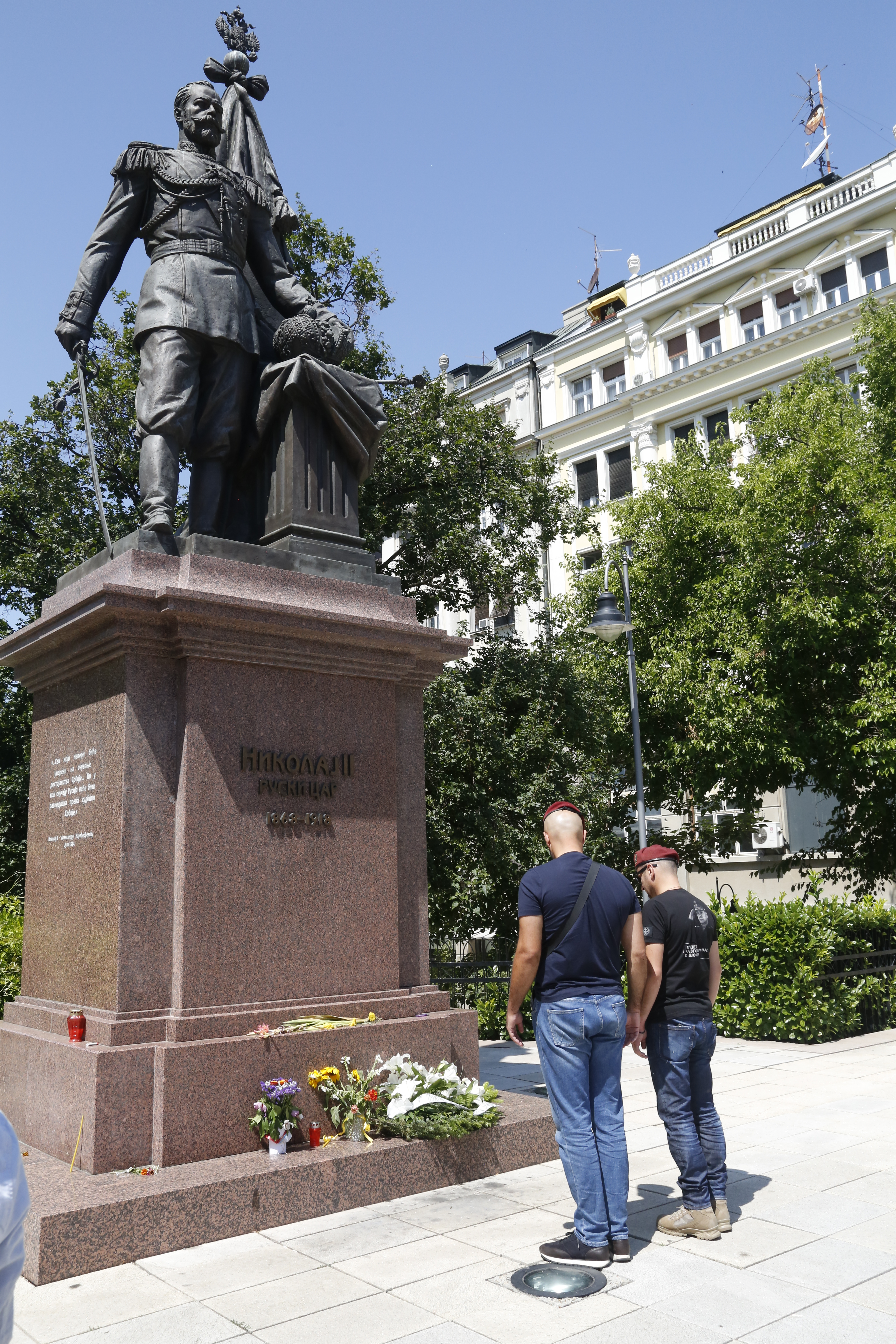
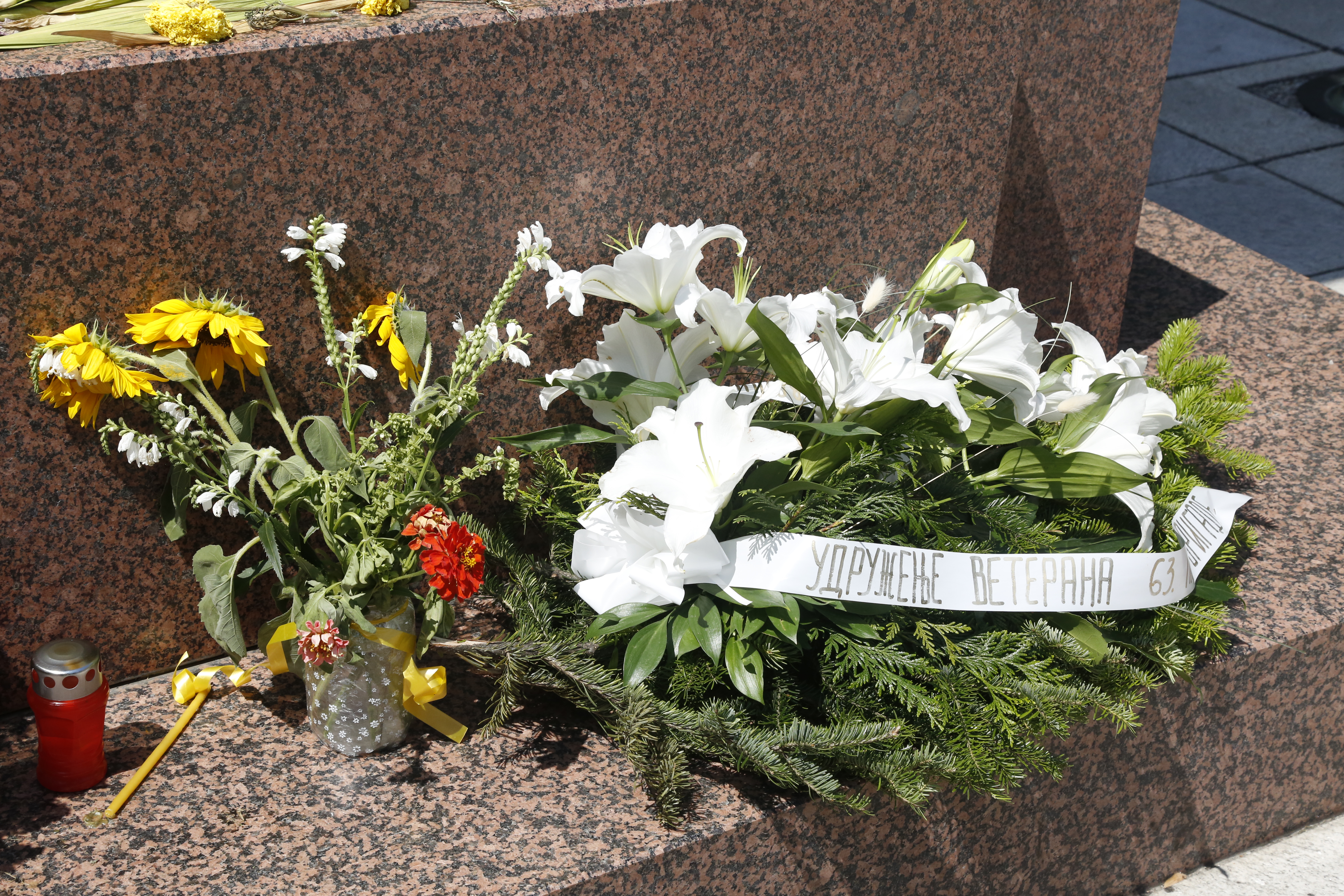
I was brought back down to earth when we were on our walking tour and stopped in front of the Czar Nikolai II’s statue and three loyalists in red military hats came to lay flowers and kiss the statue. We all fell silent as we watched them, not wanting to disturb them and potentially cause a scene. When they were done with their “ceremony” they actually told us to “enjoy your time in Serbia.” I was taken aback by this because I had forgotten until this moment that there is still a major battle of ideas going on in this region.
Nationalism is still an issue, corruption is still an issue, ethnic tensions could boil over any moment, and yet, when you walk around and enjoy the beauty of the city, you almost wouldn’t know it. There aren’t those visible markers of conflict like in Sarajevo where bullet and shrapnel holes cover buildings. This damage constantly reminds you of what happened and what tensions continue to remain in the region. But walking around here, you wouldn’t know anything was wrong as it just looks like any other European city.
In the first few days I did start to learn and realize that the same variance in architecture I once praised, was actually caused by destruction. Destroyed buildings gave room for new construction and that’s why there are so many different styles of architecture right next to each other in the street. So even though there aren’t these jarring signs of conflict like the bullet holes in Sarajevo, there still are visible signs of the city’s turbulent past if you just know where to look.
 Kellie on the Run